Canggu Digital Nomad Guide 2026: 9 Things Americans Need to Know
This post contains affiliate links. If you click through and make a purchase, I may earn a small commission at no extra cost to you. I only recommend products and services I personally use and trust.
Essential Expat Tools
These are the tools I personally use and recommend for anyone making the move abroad:
- Wise, Send and receive money internationally with real exchange rates. I use Wise for paying rent and converting USD. Get Wise here.
- SafetyWing, Affordable travel medical insurance for nomads and expats, month-to-month. Get SafetyWing here.
- NordVPN, Essential for US streaming access, secure banking on public WiFi, and data protection abroad. Get NordVPN here.
- Taxes for Expats, CPA-prepared US tax returns for Americans living abroad. Avoid costly mistakes with an expert who knows expat tax rules. File with Taxes for Expats.
- MATK Toolkit, My free resource hub: checklists, visa guides, cost comparisons for Americans moving abroad. Get the free Toolkit.
📌 Save this guide for later! Pin it to your Move Abroad board so you can find it when you’re ready to plan.
Why trust this guide? I take digital nomad destination guides seriously because I’ve personally walked the path, I funded my own move abroad by selling my house, my car (to CarMax), and my belongings on Facebook Marketplace and at garage sales. I write from real experience, not a press trip.
If you’re thinking seriously about becoming a Canggu digital nomad, you’re already asking the right questions. Canggu, a coastal village on Bali’s southwest side, has built a real reputation as one of the most practical spots in the world for remote workers. It’s not just the beaches and rice fields, it’s the combination of low costs, reliable coworking spaces, and a built-in community of people doing exactly what you’re doing.
The truth is, Canggu works well for digital nomads on a budget who want a full social life, fast enough internet, and a warm climate year-round. It’s not perfect, and it’s worth knowing the tradeoffs before you book a one-way flight.
If you’re still comparing Canggu against other destinations like Lisbon, Medellín, or Chiang Mai, grab the free 30-country comparison sheet at /compare to compare visa options, cost of living, and more.
Key Takeaways
- Canggu offers one of the most affordable remote work setups in Southeast Asia, with monthly costs starting around $1,800 for a solo nomad.
- Indonesia’s visa rules require planning ahead, since there is no formal digital nomad visa yet, but workable options exist.
- The Canggu neighborhood you choose matters a lot for your daily work and lifestyle experience.
📋 WHAT’S IN THIS GUIDE
Why Digital Nomads Choose Canggu, Bali
Canggu has become one of the most popular digital nomad hubs in Southeast Asia, and for good reason. It offers a rare combination of fast and reliable Wi-Fi, dozens of coworking spaces, an active expat community, and a cost of living that’s significantly lower than comparable cities in Europe or North America.
The area is split into several distinct zones, Berawa, Batu Bolong, Pererenan, and Echo Beach, each with its own vibe. Most digital nomads gravitate toward Berawa and Batu Bolong for the best balance of internet access, coworking options, and access to cafes, restaurants, and social activities.
Compared to other popular nomad destinations like Lisbon or Medellín, Canggu offers lower costs, warmer weather year-round, and a more relaxed work-life pace. The tradeoffs are real though: visa complexity, variable healthcare access, and a tourist tax infrastructure that’s less nomad-optimized than, say, Portugal’s D8 visa setup.
Before you commit to Canggu, check out our full Moving to Bali guide for a comprehensive look at expat life on the island, and our Bali Digital Nomad Visa guide for visa options.
Canggu Neighborhoods: Which Area Is Right for You?
Canggu isn’t one neighborhood, it’s a collection of villages that have blended together under the “Canggu” brand. Each zone has a noticeably different character:
Batu Bolong: The heartbeat of the digital nomad scene. This is where you’ll find the highest concentration of coworking spaces, specialty coffee shops, and digital nomad hangouts. It’s busier and more touristy than other zones but has excellent walkability and the best access to beach clubs and the main Canggu strip. Expect to pay $600–$900/month for a villa room here.
Berawa: Slightly more upscale and residential than Batu Bolong. Berawa has better roads, more newer builds, and a growing selection of coworking spaces. It’s quieter during the day, which many nomads prefer for focused work. Villa prices range from $700–$1,200/month.
Pererenan: The “quiet Canggu” option. Pererenan is just 10 minutes north of Batu Bolong but feels like a different world, rice paddies, fewer tourists, and lower prices. If you’re here long-term and want a slower pace, Pererenan is worth considering. Expect $500–$800/month for a decent villa.
Echo Beach: Known for surfing more than remote work. Echo Beach is better for nomads who prioritize surf access over coworking density. Internet speeds can be less reliable here, so test before committing.

Best Coworking Spaces in Canggu
Canggu has more coworking options than almost any nomad destination in Southeast Asia. Here are the most reliable for serious remote work:
Dojo Bali (Batu Bolong), One of the most established coworking spaces in Canggu, Dojo has been serving digital nomads since 2015. Day passes run $15–$20, monthly memberships start around $200. Fast, stable internet (100+ Mbps), private offices available.
OUTPOST Canggu (Berawa), A polished coworking space with comfortable interiors and reliable Wi-Fi. Outpost has a community-driven feel with events and networking. Day passes ~$15, monthly from $180.
Tribal Bali (Batu Bolong), A budget-friendly option popular with the younger nomad crowd. Less corporate, more community. Day passes ~$8, monthly from $100. Good internet, casual vibe.
POTATO Head Studio (Seminyak, 15-min drive), If you’re open to commuting slightly, Potato Head Studio is one of Bali’s most impressive creative coworking environments. Premium pricing (~$25/day) but excellent facilities.
For those who use NordVPN for secure remote work, note that most Canggu coworking spaces have reliable enough internet that VPN speeds are not significantly impacted. A VPN is still recommended when connecting to client systems or accessing sensitive work accounts on shared networks.
Cost of Living in Canggu for Digital Nomads
Here’s a realistic monthly budget breakdown for a solo digital nomad in Canggu:
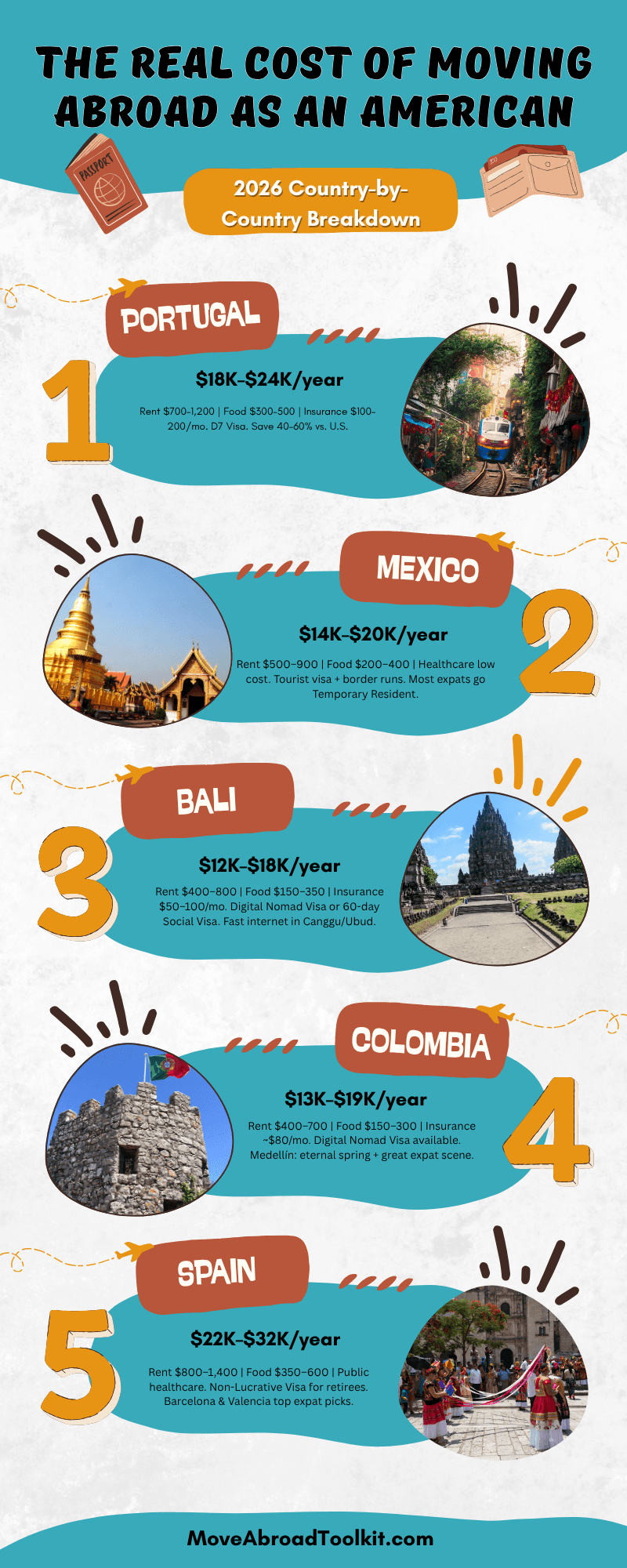
- Accommodation (villa room or studio): $600–$1,200/month depending on area and quality
- Food and dining: $300–$600/month (warung meals $3–$5, Western food $10–$20)
- Coworking: $100–$250/month (or ~$10–$20/day for drop-ins)
- Scooter rental: $60–$100/month
- Healthcare/insurance: $50–$100/month for nomad travel insurance
- Entertainment and activities: $100–$300/month
- Miscellaneous (SIM, toiletries, laundry): $50–$100/month
Total estimated range: $1,200–$2,500/month for a comfortable digital nomad lifestyle in Canggu. Most nomads living here settle into the $1,500–$1,800/month range.
For banking, Wise is the go-to tool for digital nomads in Bali. It gives you a borderless account that avoids the typical 3–5% foreign transaction fees, and lets you hold and convert multiple currencies. ATM withdrawals with Wise are also significantly cheaper than using a US debit card directly. For long-term stays, opening a local BCA or BNI account is worth exploring but requires a KITAS visa.
For housing, Airbnb Monthly is a good way to find monthly-rate villa stays before committing to a local rental contract. Local agents (found via Facebook groups like “Canggu Expat” or “Bali Expats”) often have the best rates for longer commitments.
Best Cafes for Working in Canggu
Plenty of Canggu cafes double as work spaces, but not all are nomad-friendly for extended sessions. Here are the best:
Betelnut Cafe (Batu Bolong), A Canggu institution. Good Wi-Fi, all-day menu, outdoor seating with rice field views. Gets busy after 10am; arrive early for the best spots.
Sprout (Batu Bolong), Excellent coffee, good Wi-Fi, and a no-laptop policy in the evenings (good for focus during the day). Coworking-friendly vibe before 5pm.
Revolver Espresso (Seminyak/Batu Bolong), One of Bali’s best specialty coffee roasters. Multiple locations. Reliable internet, but can get crowded on weekends.
Crate Cafe (Batu Bolong), Popular breakfast and brunch spot. Decent Wi-Fi, open seating. Better for a few hours of work than a full day.
Note: Many Bali cafes post signs asking customers to limit laptop time during peak hours (noon–2pm). This is increasingly common, especially at popular spots on weekends. Having a coworking backup is useful.
Visa Options for Long-Term Stays in Canggu
This is the part that trips up most first-time visitors to Bali. Indonesia does not currently have a formal digital nomad visa that allows you to work remotely for foreign employers while physically in the country. Here are the realistic options:
Tourist Visa on Arrival (30 days, extendable to 60): Most nomads start here. You arrive, get a 30-day stamp, can extend once to 60 days at an immigration office ($35–$50). After 60 days, you must leave Indonesia (a “visa run” to Singapore or Malaysia is common).
Social/Cultural Visa (B211): A 60-day visa that can be extended 4 times (up to 180 days total) in-country. Requires a local sponsor or visa agent (many offer this service for $150–$300 total). Most popular long-term option for nomads.
Indonesia Digital Nomad Visa (E33G): Indonesia launched a digital nomad visa in 2023 allowing remote workers to live and work without paying Indonesian tax for up to 5 years. Take-up has been limited due to complex requirements. See our full Indonesia Digital Nomad Visa guide for current details.
Bali’s 5-Year Digital Nomad Visa: A separate option from the E33G with different requirements. See the Is Bali Safe for Digital Nomads post for the full picture on long-term stay considerations.
Getting Around Canggu
Transport in Canggu is scooter-dominated. Here’s what you need to know:
Scooter rental: The primary way locals and nomads get around. Rentals cost $60–$100/month from local shops. You legally need an International Driving Permit (IDP) for motorbikes in Indonesia, traffic enforcement on foreigners is increasing. Learn to ride before you arrive; Canggu traffic is chaotic for beginners.
Grab (ride-hailing): The safer alternative for nighttime trips and when you don’t feel comfortable on a scooter. Prices are affordable ($2–$5 for most Canggu rides). GoTo (Gojek) is also available and slightly cheaper for short trips.
Walking: Canggu’s sidewalks are notoriously uneven and often non-existent. Walking is possible within specific zones (Batu Bolong main strip, Berawa near Finns Beach Club) but not practical as primary transport.
Day trips: Uber-style services and private drivers are available for trips to Ubud ($25–$40 one-way), Uluwatu ($20–$30), or the airport ($15–$25 from Canggu).
Safety Tips for Digital Nomads in Canggu
Canggu is generally safe for digital nomads, but a few risks are worth being aware of:
- Scooter accidents are the top risk. More foreigners are injured in motorbike accidents in Bali than from any other cause. Use Grab if in doubt.
- Bag snatching from motorbikes happens, especially on the main strip. Keep bags on the side away from traffic.
- Drink spiking has been reported in party areas. Keep your drink in sight at all times.
- Digital security: Use a VPN like NordVPN on coworking and cafe Wi-Fi networks to protect work data and client information.
For a full safety guide specifically for digital nomads in Bali, see our Is Bali Safe? guide.
Internet Speed and Reliability in Canggu
Reliable internet is non-negotiable for remote work, and Canggu delivers reasonably well. Most coworking spaces offer 100–200 Mbps fiber connections, which is more than sufficient for video calls, file uploads, and cloud work.
Residential internet in villas is more variable. Ask specifically about internet speed when booking accommodation, fiber is now available in most villa developments in Berawa and Batu Bolong, but older buildings may still rely on slower connections. Speed test apps like Fast.com or Speedtest are your friend during any villa viewing.
Mobile data (Telkomsel or XL Axiata) is a reliable backup. A local SIM with 30GB of data costs $5–$10/month. For video calls on mobile data when the villa Wi-Fi is spotty, this is a lifesaver.
Note that some content services (Netflix regions, etc.) are geo-restricted in Indonesia. A VPN like NordVPN solves this and simultaneously protects your data on public networks.
The Canggu Digital Nomad Community
One of Canggu’s biggest draws isn’t the beaches or the coworking spaces, it’s the community. The concentration of like-minded remote workers, entrepreneurs, and digital nomads in Canggu is unlike almost anywhere else in the world.
Here’s where to find your people:
- Facebook Groups: “Canggu Community,” “Bali Expats,” and “Digital Nomads Around the World – Bali” are the most active. They’re where apartments get posted, events get announced, and advice gets shared in real-time.
- Meetup.com: Regular digital nomad meetups, skill shares, and social events. Attendance varies by season (peak: July–August and December–January).
- Coworking Space Events: Dojo, Outpost, and other coworking spaces regularly host networking evenings, skills workshops, and community events. Worth joining even if you don’t use them as your primary workspace.
- WhatsApp/Signal Groups: There are dozens of Canggu-specific groups for everything from housing to surf to tech work. Getting added is usually word-of-mouth; starting at a coworking space or Facebook group is the path in.
The Canggu community tends to be young (median age probably 27–35), entrepreneurially oriented, and international (heavy UK, US, Australian, Dutch, and German representation). If you’re extroverted and looking for community, this is one of the best places in the world to find it as a digital nomad.
Canggu for Digital Nomads: Honest Pros and Cons
Pros:
- Low cost of living (under $2,000/month for a comfortable lifestyle)
- Large, established digital nomad community
- Reliable coworking infrastructure
- Warm weather year-round
- Excellent food scene (Western and local)
- Proximity to surf, temples, mountains, and cultural experiences
- Good flight connections to the rest of Asia
Cons:
- No formal digital nomad visa, visa logistics require planning
- Traffic congestion is getting worse (Canggu has changed significantly since 2018)
- Rainy season (November–March) can be disruptive
- Healthcare limitations, serious conditions require evacuation to Singapore
- Tourist-trap pricing in high-traffic areas
- Not ideal for nomads who want a quieter, more “local” experience
For healthcare peace of mind, SafetyWing Nomad Insurance is the most popular choice among digital nomads in Canggu. It covers medical treatment at Indonesian hospitals and clinics, plus emergency evacuation if needed, critical given that serious care often requires a flight to Singapore. Plans start around $56/month. For the most budget-focused approach, our guide to ultra-budget Bali living on $1,000/month covers the specific neighborhoods, food strategies, and lifestyle choices that make it workable. For a broader honest assessment of Bali in 2026, including whether the infrastructure and visa situation still justify the move, that dedicated guide covers the full picture.
Best Time to Visit Canggu as a Digital Nomad
Bali has two seasons: dry (April–October) and wet (November–March). For digital nomads, both seasons are workable, but they come with different tradeoffs.
Dry season (April–October) is the peak tourism period. The weather is consistently sunny, internet reliability is best (lower power outage frequency), and the social scene is most active. Prices for accommodation are higher (10–30% premium) and traffic is significantly worse. If you’re arriving for the first time, April–June or September–October hits the sweet spot of good weather without peak-season crowds.
Rainy season (November–March) has daily or near-daily rain, usually as afternoon or evening showers rather than all-day rain. The upside: accommodation is 20–40% cheaper, traffic is lighter, and the community is more “local resident” focused (the tourist wave ebbs). The downside: power outages are more common during storms, which affects internet and your schedule.
December–January is a notable exception within wet season, high tourist volume due to holidays means both higher prices AND worse weather. If you’re flexible, avoid this window unless you’re already there.
Day Trips and Activities from Canggu
Part of the appeal of Canggu is its location. You’re within easy day-trip distance of:
- Ubud (1.5 hours): Bali’s cultural hub. Rice terraces, temples, yoga retreats, and a quieter, more artsy digital nomad scene. Many Canggu nomads take a month in Ubud after a period in Canggu. Great for work-life balance resets.
- Uluwatu (45 minutes): World-class surf and dramatic clifftop temples. A strong competitor to Canggu for surfer-nomads.
- Mount Batur (3 hours): Sunrise hikes are a popular weekend activity. Well worth the early alarm.
- Nusa Islands (Nusa Penida, Nusa Lembongan): 2–3 hours from Canggu via south Bali boat connections. Worth a weekend trip for the views and snorkeling.
Having a scooter (or using Grab for longer journeys) is the practical way to access these areas. For Ubud, many nomads prefer hiring a private driver for $25–$35 round trip for a day visit.
Should You Move to Canggu? The Honest Verdict
Canggu is an excellent base for digital nomads who want a low-cost, high-community, warm-climate lifestyle with reliable coworking options. It’s not perfect, the visa situation requires planning, healthcare access has limitations, and the traffic is getting harder, but for most remote workers doing their first extended stay in Asia, Canggu is one of the most practical and enjoyable starting points available.
If you’re torn between Canggu and another destination, run the numbers on your specific situation. The MoveAbroad Toolkit Start Here page walks you through the key decisions: visa path, cost comparison, healthcare access, and community fit. The resources page has the specific tools we recommend for banking (Wise), insurance (SafetyWing), and internet security (NordVPN) that all Bali-bound nomads should have in place before they land.
For more Bali-specific planning: see our complete guides to the Bali Digital Nomad Visa, Bali safety for nomads, and Indonesia Digital Nomad Visa.
Frequently Asked Questions
Is Bali a Good Place for Remote Work and Long-Term Living?
Bali is a practical choice for remote work, especially if you’re based in Canggu or Ubud. You get affordable living costs, a large community of other remote workers, and enough coworking infrastructure to stay productive. The main limitations are visa complexity and healthcare access for serious medical needs.
What’s the Best Area to Stay in Bali for Remote Workers?
Canggu is the most popular area for digital nomads, with Batu Bolong and Berawa being the most common neighborhoods. Ubud is a good alternative if you prefer a quieter, more nature-focused environment. Your choice depends on whether you prioritize social energy or focused work time.
Is It Better to Stay in Seminyak or Canggu for a Longer Trip?
For digital nomads staying a month or more, Canggu is the better fit. It has more coworking spaces, a stronger nomad community, and lower average costs than Seminyak. Seminyak skews more toward short-stay tourism and nightlife, which makes it less practical as a remote work base.
Which Visa Options Are Available for Staying in Bali While Working Remotely?
Indonesia does not currently have a formal digital nomad visa. Most remote workers enter on a tourist visa or a social budaya visa, which allows stays of up to 60 days with extensions possible. A B211A visa is another route that allows longer stays; working with a local visa agent is the most common way to handle this.
How Do Taxes Typically Work for Remote Workers Spending Extended Time in Bali?
If you’re an American working remotely from Bali while employed by a US company or clients, your tax situation is primarily governed by US tax law. You’re still required to file US taxes regardless of where you live. Indonesia does not currently tax foreign remote workers on foreign-sourced income, but you should confirm your specific situation with a tax professional familiar with expat tax rules.
Where Do Most Remote Workers Tend to Live and Hang Out Around Bali?
Most remote workers cluster in Canggu, particularly around Batu Bolong, Berawa, and Pererenan. Ubud attracts a second wave of nomads who prefer a quieter, inland setting. Outside of work hours, you’ll find the community at beach clubs, coworking socials, surf breaks, and spots like Deus Ex Machina and the cafes along Jalan Batu Bolong.
Planning your move to Bali? Start with our Start Here page or browse our full expat resources to find the tools that match your situation.
Thinking about moving abroad? Book a Move Abroad Planning Call for personalized guidance on your relocation.
Continue Planning Your Move
Everything you need is in one place.
Free Download
Remote Income Starter Kit
30 curated remote job boards, an application tracker & freelance rate calculator. Fund your move before you leave.