Digital Nomad Visa Indonesia: Your Guide to Remote Work in Paradise
This post contains affiliate links. If you click through and make a purchase, I may earn a small commission at no extra cost to you. I only recommend products and services I personally use and trust.
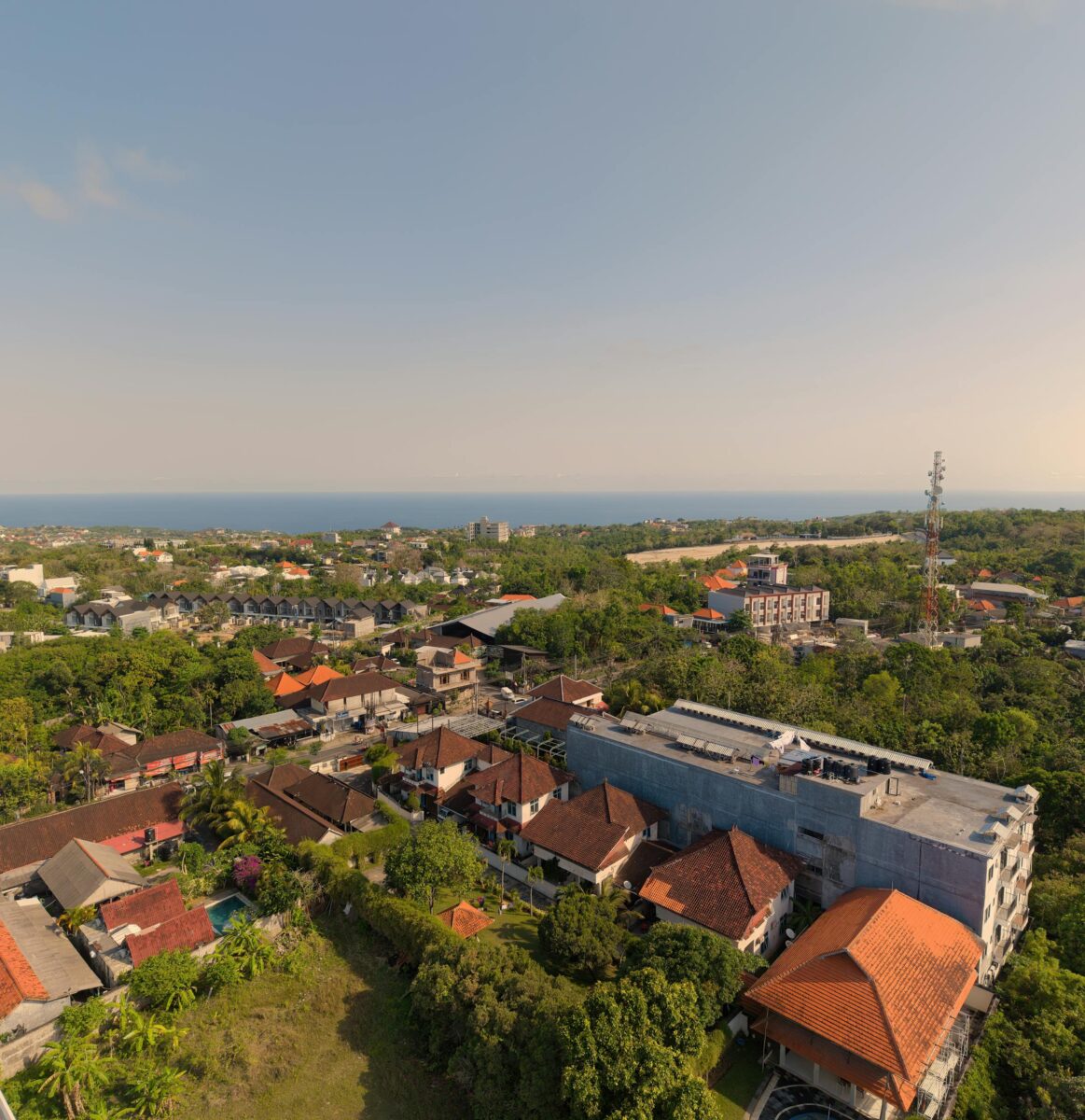
The digital nomad visa Indonesia provides has become one of the most popular visa options for remote workers. Bali and the rest of Indonesia calls to remote workers for years. It’s everything a digital nomad wants: tropical weather, cheap cost of living, incredible food, and a massive expat community already in place.
Now, with an official Digital Nomad Visa, staying long-term is more straightforward than ever before.
New to planning a move abroad? Start here for the full planning roadmap, or compare Indonesia with 30+ other countries at the comparison tool.
📋 In This Guide
- 1. Indonesia’s Digital Nomad Visa: What the Digital Nomad Visa Indonesia Offers
- 2. The 5 Requirements for the Digital Nomad Visa Indonesia
- 3. How to Apply: Step-by-Step
- 4. Best Places to Live in Indonesia as a Digital Nomad
- 5. Cost of Living for Digital Nomad Visa Indonesia Holders
- 6. Healthcare and Insurance for Nomads in Indonesia
- 7. Internet and Remote Work in Indonesia
- Your Indonesia Move: 30/60/90-Day Timeline
- Common Questions About the Digital Nomad Visa Indonesia Process
1. Indonesia’s Digital Nomad Visa: What the Digital Nomad Visa Indonesia Offers

For official digital nomad visa Indonesia information, visit the Direktorat Jenderal Imigrasi Indonesia (the official immigration directorate). The official Bali visa guide has updated requirements, and the U.S. State Department’s Indonesia page covers current entry requirements for Americans.
The digital nomad visa Indonesia offers is officially called the E33G Second Home Visa. It’s designed specifically for remote workers and self-employed individuals who earn income from outside Indonesia.
- Visa type: Second Home Visa (E33G) — officially called the Remote Worker Visa
- Duration: 5-year multiple-entry visa (no need to leave and re-enter)
- Work authorization: You can work remotely for non-Indonesian employers
- Income requirement: Approximately $2,000/month in foreign income
- Where to apply: Indonesian embassy or consulate in the US, OR at immigration on arrival in some cases
Indonesia also offers several shorter-term options. The Social-Cultural Visa (B211A) is the most popular workaround — it allows a 60-day stay, extendable up to 6 months total with multiple extensions. Many nomads use this while exploring whether Indonesia is the right long-term base.

📌 Save this guide for later! Pin it to your travel or move abroad board so you can find it when you need it.
Click the image above to save directly to Pinterest.
📌 Save this guide for later! Pin it to your travel or move abroad board so you can find it when you need it.
Hover over any image in this post to pin it directly to Pinterest.
2. The 5 Requirements for the Digital Nomad Visa Indonesia
Whether you’re applying for the Second Home Visa or the Social-Cultural Visa, these requirements apply.
Requirement 1: Proof of Remote Income
You need to demonstrate you earn income from outside Indonesia. Accepted documentation includes:
- 3–6 months of bank statements showing regular foreign income deposits
- Employment letter from a non-Indonesian company confirming remote work arrangement
- Freelance contracts or invoices showing consistent income
- For the Second Home Visa: minimum $2,000/month is typically expected
Managing income from multiple sources? Wise lets you receive payments in multiple currencies without excessive fees — and provides clean bank statements that work well for visa applications.
Requirement 2: Valid US Passport
Your passport must be valid for at least 6 months beyond your intended stay. Bring the original plus a color copy of the photo page.
Requirement 3: Completed Application Form
Fill out the official Indonesian visa application form. Available at your nearest Indonesian embassy or consulate — typically available online for download.
Requirement 4: Passport Photos and Proof of Accommodation
Submit two passport photos plus proof of where you’ll be staying in Indonesia — a hotel booking confirmation or a rental agreement works. Many nomads use their Airbnb confirmation for the first month.
Requirement 5: Application Fee
Fees vary by visa type:
- B211A Social-Cultural Visa: ~$45–$60 USD
- E33G Second Home Visa: ~$500–$1,000 USD total (including extension fees)
- On-arrival Visa (30 days, extendable): ~$35 USD
3. How to Apply: Step-by-Step
Most Americans apply for the B211A Social-Cultural Visa before traveling, then extend it from within Indonesia. Here’s the full process.
Before You Arrive in Indonesia
- Choose your visa type. For most digital nomads, start with the B211A (60-day, extendable to 180 days). For longer stays, target the E33G Second Home Visa.
- Apply at the Indonesian consulate. The nearest Indonesian consulate in the US. Major offices are in Los Angeles, New York, Chicago, and Houston.
- Gather documents:
- Completed application form
- Passport (valid 6+ months) + color copy
- 2 passport photos
- 3 months of bank statements
- Proof of accommodation
- Return or onward ticket (for B211A)
- Attend your appointment and pay the fee. Processing takes 3–7 business days.
Extending Your Visa in Indonesia
The B211A can be extended by 30 days at a time, up to 4 extensions (for a total of 180 days). Each extension is handled at the local immigration office (Imigrasi) in your area. In Bali, the Denpasar immigration office handles most nomad extensions — or use a local visa agent for around $50–$100 per extension.
4. Best Places to Live in Indonesia as a Digital Nomad

Bali (Canggu, Ubud, Seminyak)
- Monthly budget: $1,200–$2,500
- Rent (1BR villa/apartment): $400–$1,000
- Internet: Good in tourist areas; patchy in some rural spots
- Best areas: Canggu (nomad scene), Ubud (creative/spiritual), Seminyak (upscale)
- Vibe: Massive expat and nomad community, incredible food, yoga and wellness culture
Jakarta
- Monthly budget: $1,500–$3,000
- Rent (1BR): $500–$1,200
- Internet: Excellent fiber infrastructure
- Best areas: Kemang, Menteng, SCBD
- Vibe: Urban, business-focused, less tourist-heavy than Bali
Lombok
- Monthly budget: $800–$1,500
- Rent: $300–$600
- Internet: Improving, but less reliable than Bali
- Vibe: Quieter than Bali, more adventurous, surfing and trekking culture
5. Cost of Living for Digital Nomad Visa Indonesia Holders
| Expense | Budget | Mid-Range | Comfortable |
|---|---|---|---|
| Rent (1BR) | $300–$500 | $500–$900 | $900–$1,500 |
| Food (mix of local + western) | $100–$200 | $250–$450 | $450–$700 |
| Transport (scooter rental) | $60–$80 | $80–$150 | $150–$300 |
| Health insurance | $40–$80 | $80–$150 | $150–$300 |
| Coworking or internet | $50–$80 | $80–$150 | $150–$250 |
| Total monthly | $550–$940 | $990–$1,800 | $1,800–$3,050 |
Many digital nomads live very comfortably in Bali for $1,200–$1,800/month — including a private villa, daily eating out, a scooter, and regular activities.
6. Healthcare and Insurance for Nomads in Indonesia
Indonesian healthcare is improving but varies widely by location. In Bali and Jakarta, you have access to international-standard private hospitals that handle most expat needs. Public hospitals are much cheaper but have language barriers and longer waits.
Most digital nomads in Indonesia use international health insurance. SafetyWing’s Nomad Insurance is the most popular choice — it covers medical emergencies, evacuation, and even short visits back to the US. Plans start around $40–$80/month depending on age.
For serious medical issues, Singapore is just a short flight away and has world-class hospitals — many expats fly there for major procedures.
7. Internet and Remote Work in Indonesia
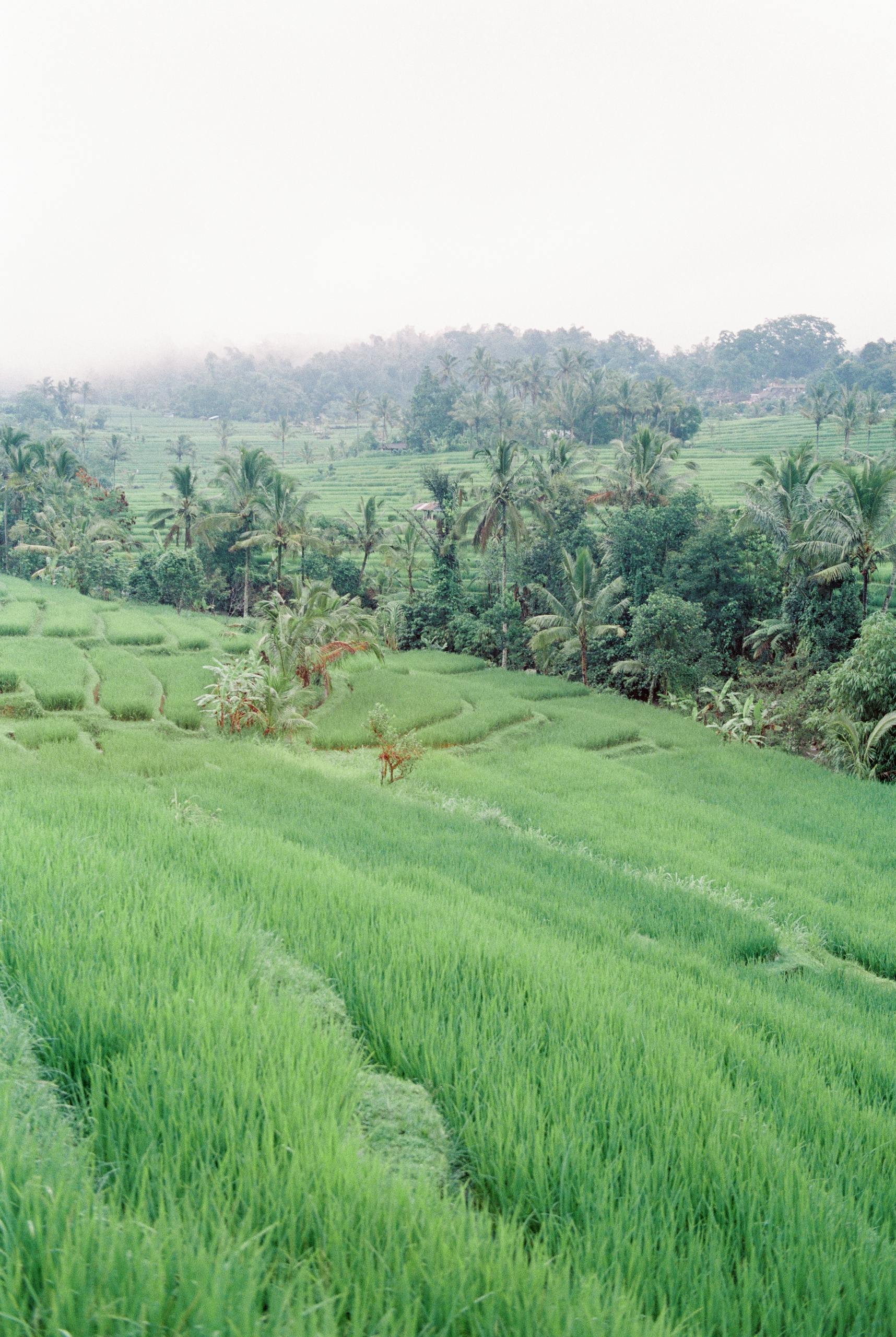
Bali’s nomad zones (Canggu, Ubud) have excellent coworking infrastructure. Dojo, Outpost, and Hubud are among the best spaces on the island. Speeds in co-working spaces typically run 50–200 Mbps. Home internet varies — Indihome fiber is available in most urban areas.
One important note: Indonesia periodically blocks certain websites and social media platforms. A VPN is essentially required equipment. NordVPN is the most reliable option for Indonesia and keeps your connection secure on public WiFi in cafes and coworking spaces.
For SIM/data, Airalo offers affordable Indonesian eSIM data plans you can buy before you land — no hunting for a SIM card at the airport in Bali.
I take Indonesia seriously as a destination for Americans because I’ve personally walked the path most readers are starting on. I funded my own move abroad by selling my house, my car (to CarMax), and my belongings on Facebook Marketplace and at garage sales. So when I write about the Indonesia Digital Nomad Visa, I’m not theorizing — I’m writing from the mindset of someone who has committed to a real move abroad.
Your Indonesia Move: 30/60/90-Day Timeline
90 Days Before You Arrive
- Research visa options: B211A for flexibility, E33G for long-term commitment
- Contact the nearest Indonesian consulate to confirm current requirements
- Gather 3–6 months of bank statements showing regular income
- Research neighborhoods in Bali: Canggu vs. Ubud vs. Seminyak
- Join Bali digital nomad Facebook groups and Nomad List forums
60 Days Before You Arrive
- Apply for your visa at the consulate (B211A recommended for first visit)
- Book housing for your first 1–2 months (Airbnb or Facebook Marketplace for Bali rentals)
- Set up a Wise account for fee-free international transfers
- Get international health insurance — compare SafetyWing to other expat plans
- Research scooter rental options in your destination area
30 Days Before You Arrive
- Confirm your visa and travel dates
- Get your vaccinations updated (Hepatitis A, Typhoid recommended)
- Download offline maps and translation apps
- Connect with local visa agents in case you need help with extensions
- Notify your US bank to avoid transaction blocks abroad
Common Questions About the Digital Nomad Visa Indonesia Process
Americans new to the digital nomad visa Indonesia application process often ask the same questions. Here are the most common ones.
Can I extend my B211A visa multiple times?
Yes — the B211A (Social-Cultural Visa) can be extended four times, each for 30 days, giving you a maximum total of 180 days in Indonesia per visit. Many digital nomads do back-to-back B211A entries to stay long-term, though Indonesian authorities have become more attentive to this pattern. The E33G Second Home Visa solves this by giving a genuine multi-year permit.
What happens if I overstay my Indonesia visa?
Overstaying in Indonesia is expensive — the fine is IDR 1,000,000 (about $65) per day. If you overstay more than 60 days, you may face deportation and a ban. Always track your visa expiry dates carefully and arrange extensions well in advance.
Do digital nomads in Bali need to register anywhere locally?
With the E33G Second Home Visa, you’ll register with the local immigration office (Imigrasi). For shorter B211A stays, formal registration is typically not required, though your accommodation may report your stay to local authorities as part of normal hotel/rental registration.
Want to compare Indonesia with other Southeast Asian options? See our full Thailand guide for Americans to see how Bali compares to Bangkok and Chiang Mai.
Ready to plan your move to Indonesia? Browse our full resources list for visa checklists, budget templates, and expat guides. Or get the complete Starter Toolkit at moveabroadtoolkit.com/toolkit for all the tools in one place.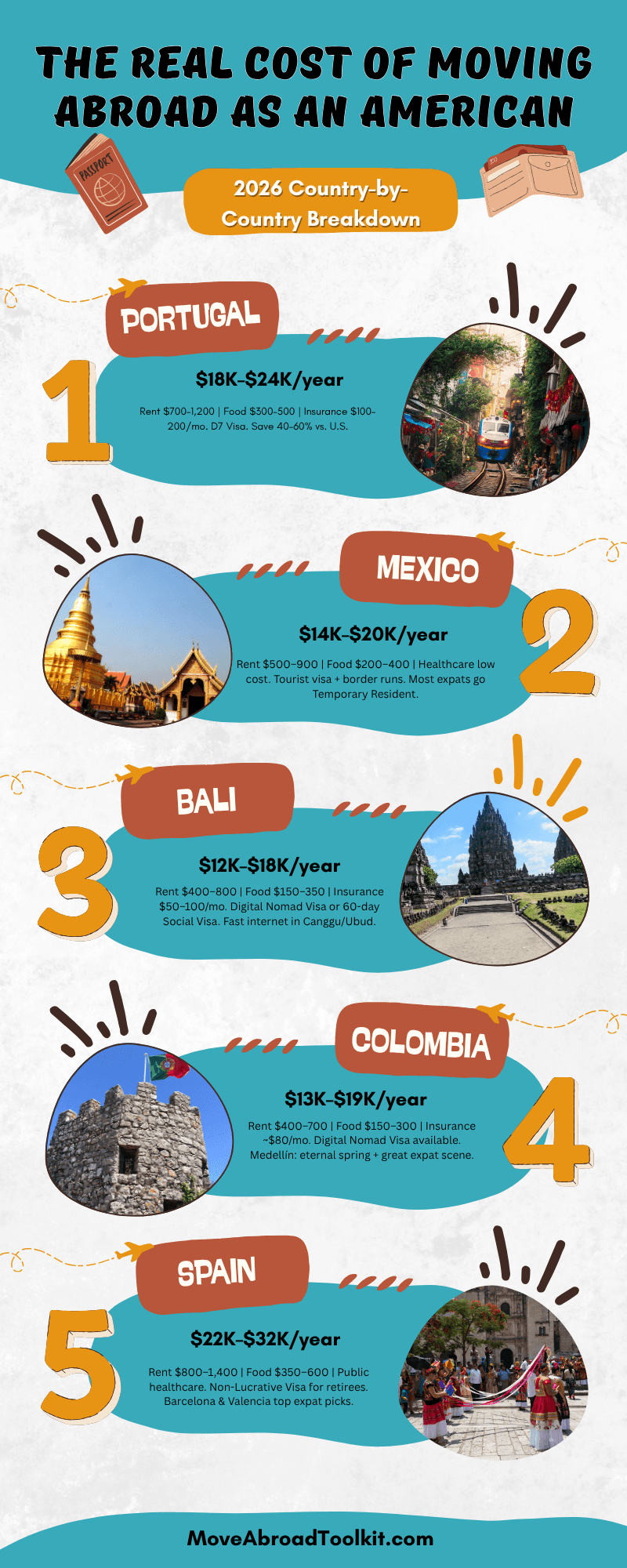
As a US citizen living abroad, you’re still required to file US taxes every year. Taxes for Expats specializes in US expat returns and can help you understand Indonesia-US tax treaty implications and whether you qualify for the Foreign Earned Income Exclusion.
>Thinking about moving abroad? Book a Move Abroad Planning Call for personalized guidance on your relocation.
Continue Planning Your Move
Everything you need is in one place.
Free Download
Remote Income Starter Kit
30 curated remote job boards, an application tracker & freelance rate calculator. Fund your move before you leave.