Healthcare in Thailand for American Expats: 7 Things to Know (2026)
This post contains affiliate links. If you click through and make a purchase, I may earn a small commission at no extra cost to you. I only recommend products and services I personally use and trust.
📋 WHAT’S IN THIS GUIDE
- Quick Answer: Is Thailand Healthcare Good for Expats
- The Two Healthcare Systems Explained
- The Thai Public System and Social Security
- Private Healthcare in Thailand
- Real Monthly and Annual Costs
- Best Health Insurance Options for American Expats
- Best Hospitals for American Expats
- Finding English Speaking Doctors
- Pharmacies and Prescription Medications
- Emergency Care and Ambulance
- Medical Tourism and Elective Procedures
- Visa Health Requirements for Expats
- Common Mistakes American Expats Make
- Pros and Cons vs US Healthcare
- Dental Care for American Expats
- Mental Health Services in Thailand
- FAQ
This post contains affiliate links. If you buy through them, I earn a small commission at no cost to you.
Why trust this guide? When I write about healthcare abroad, I’m writing as someone who actually moved internationally and had to navigate the healthcare maze — I funded my move by selling my house, my car (to CarMax), and my belongings on Facebook Marketplace. I know what it’s like to figure out coverage from scratch.
Healthcare in Thailand for expats is world-class and cheap. Private hospital visits cost 20 to 40 USD, JCI-accredited hospitals rival US facilities, and comprehensive private insurance runs 50 to 150 USD per month for singles under 40. Most American expats use private hospitals with SafetyWing or Cigna Global insurance.
I am Kim. I spent two months between Bangkok and Chiang Mai and used Bumrungrad International Hospital for a bad allergic reaction. Everything below reflects the exact costs and processes from 2025.
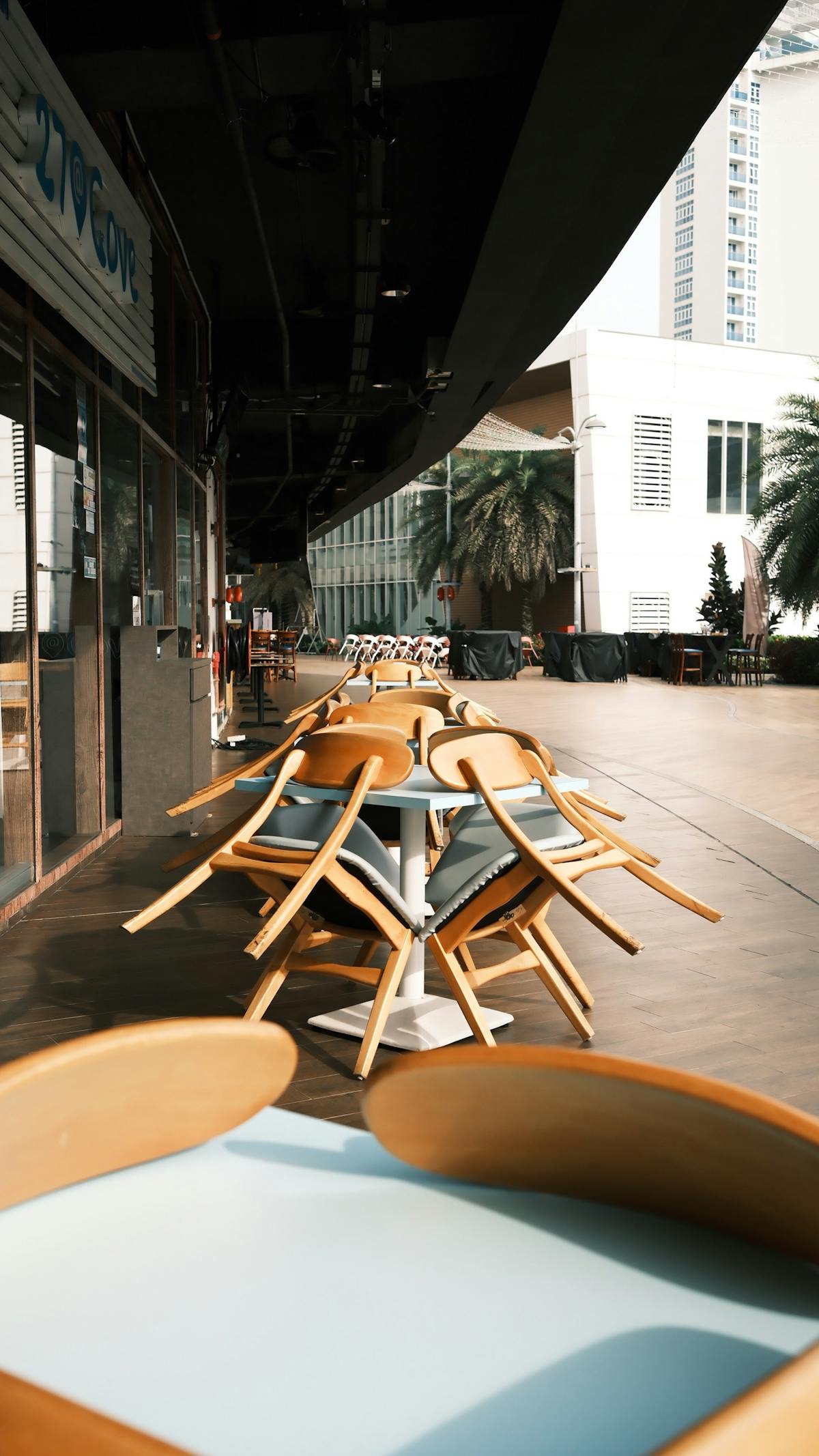
Quick Answer: Is Thailand Healthcare Good for Expats
Yes, Thai healthcare ranks among the best in Southeast Asia. Bangkok has more JCI-accredited hospitals than any city outside the US.
Private hospitals deliver care comparable to top US facilities at a fraction of the cost. Wait times are shorter too.
Bumrungrad International alone treats over 520,000 international patients per year. Americans rank among the top five nationalities served.
The Two Healthcare Systems Explained
Thailand runs a public universal coverage system alongside a robust private sector. Most expats use private care exclusively.
The public system is called Universal Coverage Scheme or Gold Card. It is only for Thai citizens and legal long-term residents on specific visas.
Work permit holders can access the Thai Social Security system, which includes a specific affiliated hospital. Monthly contributions are about 750 baht or 22 USD.
Private hospitals accept cash, credit cards, and international insurance. Most expats and medical tourists stick to this track for speed and English support.
The Thai Public System and Social Security
Most American expats cannot access the public Universal Coverage Scheme. It is reserved for Thai nationals and permanent residents.
If you work on a Thai work permit, you join Social Security Office (SSO) healthcare. Monthly payments are 750 baht (about 22 USD) and cover one assigned hospital.
SSO hospitals are decent public facilities but have long wait times. Specialist appointments can take 2 to 4 weeks and most doctors speak limited English.
The Long-Term Resident (LTR) visa includes mandatory health insurance of 50,000 USD minimum coverage. This bypasses public system entirely.
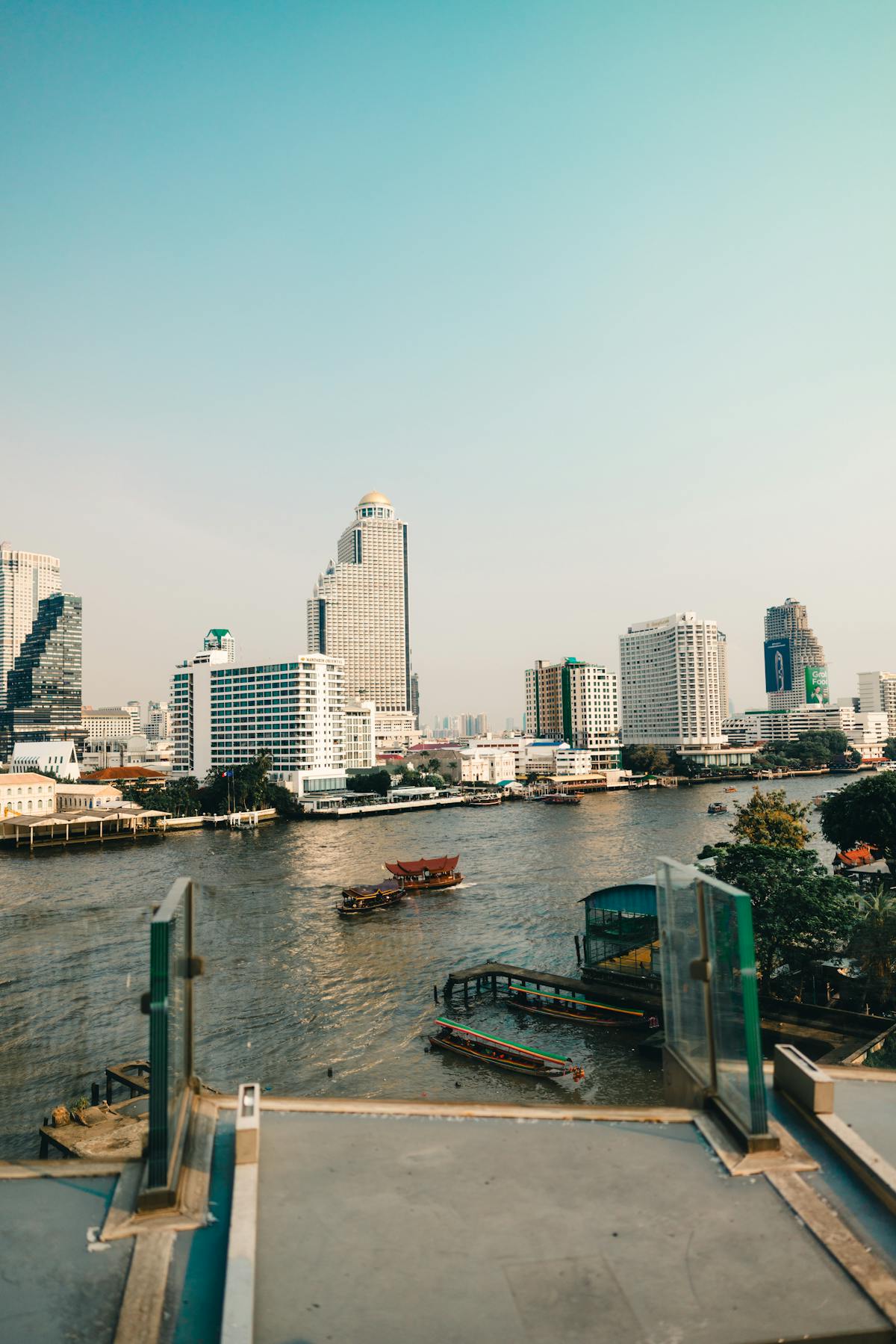
Private Healthcare in Thailand
Private healthcare is where most expats spend their time. Quality matches or exceeds US standards.
A general consultation at a top private hospital costs 800 to 1,500 baht (23 to 43 USD). Specialist visits run 1,500 to 3,500 baht.
Thailand has 64 JCI-accredited hospitals, more than anywhere else in Asia. This is the gold standard for international medical accreditation.
Private surgeries are a fraction of US prices. A hip replacement runs 12,000 to 18,000 USD versus 40,000 USD in the US.
Most private hospitals accept international insurance directly. They also accept credit cards, cash, and bank transfers.
Real Monthly and Annual Costs
Budget 600 to 2,500 USD per year for healthcare in Thailand. Your choices determine where in that range you land.
Self-pay out of pocket works for healthy expats under 40. A yearly physical, dental cleaning, and 2 to 3 minor doctor visits cost about 400 to 600 USD.
Private insurance for singles under 40 runs 600 to 1,800 USD per year. Coverage includes hospitalization, outpatient care, and prescription drugs.
Over 60, premiums jump to 2,500 to 5,000 USD per year. Pre-existing conditions add 20 to 40 percent.
Global expat plans from Cigna Global or GeoBlue run 3,000 to 7,000 USD per year. These cover worldwide including US return trips.
Best Health Insurance Options for American Expats
Four insurance types work well for American expats in Thailand. Each fits a different expat profile.
SafetyWing Nomad Insurance costs 56 USD per month for travelers under 40. It covers Thailand with no exclusions and works for your first year before settling down.
Pacific Cross is a Thailand-focused insurer. Monthly premiums run 50 to 150 USD and they directly bill most Thai private hospitals.
AIA Thailand and Bupa Thailand are large regional insurers. They cost 80 to 200 USD per month and work with hundreds of Thai hospitals.
Global expat plans from Cigna Global, GeoBlue, or April International cost 250 to 600 USD per month but offer worldwide coverage and easy US access.
For a full comparison by country, see the international health insurance guide.

Best Hospitals for American Expats
Five private hospitals have the strongest reputations with American expats. All have English-speaking staff and international patient desks.
Bumrungrad International in Bangkok is the most famous. It serves over 1 million patients per year from 190 countries.
Bangkok Hospital is a chain with branches nationwide. They are known for cancer care, cardiology, and orthopedics at slightly lower prices than Bumrungrad.
Samitivej Sukhumvit caters to families and offers the best pediatric care in Bangkok. Many American families living in Thailand use them.
Chiang Mai Ram Hospital is the top private hospital in the north. It costs 30 to 40 percent less than Bangkok equivalents for the same procedures.
Bangkok Hospital Phuket serves the south. It handles emergencies from Phuket, Phang Nga, and Krabi with full English support.
Finding English Speaking Doctors
Most private hospital doctors speak fluent English. Many trained in the US, UK, or Australia.
Bumrungrad, Bangkok Hospital, and Samitivej maintain bilingual staff at every level. Even receptionists and pharmacists speak English.
In Chiang Mai, Ram Hospital and Chiangmai Hospital have dedicated international sections. English support in public Thai hospitals is rare outside Bangkok.
Facebook groups like “Bangkok Expats” and “Chiang Mai Friends” post doctor recommendations weekly. Search for your specialty and dozens of posts surface.
Pharmacies and Prescription Medications
Thai pharmacies sell most drugs over the counter without a prescription. Prices run 50 to 80 percent less than US rates.
Boots, Watsons, and Fascino are major chains with English-speaking pharmacists. They stock common antibiotics, blood pressure meds, and birth control.
Controlled substances like stimulants (Adderall) and opioids still require a Thai doctor’s prescription. Bring US prescriptions as backup to show.
Name-brand drugs cost 15 to 40 USD per month for most maintenance meds. Generics are often half that.
Emergency Care and Ambulance
Thailand’s emergency care is reliable in cities but slower in rural areas. Always call 1669 for medical emergencies, which operates 24/7.
Public ambulances are free but often slow. Private hospital ambulances cost 2,000 to 5,000 baht (60 to 145 USD) but arrive faster.
ER visits at top private hospitals run 3,000 to 8,000 baht (90 to 230 USD) uninsured for routine emergencies. Insurance handles this with direct billing.
For serious trauma, private hospitals in Bangkok or Chiang Mai have the best intensive care units. Rural accidents often require transfer to these cities.
Medical Tourism and Elective Procedures
Thailand is a top global destination for medical tourism. Americans save 50 to 80 percent on elective procedures.
Dental implants cost 1,000 to 2,500 USD versus 4,000 to 6,000 USD in the US. Full mouth reconstructions run under 15,000 USD.
LASIK surgery in Thailand costs 1,500 to 2,500 USD per eye. US costs range 2,500 to 5,000 USD per eye.
Cosmetic surgery, IVF, and gender-affirming care are major draws. Thai surgeons are world-renowned in these specialties.
Visa Health Requirements for Expats
Several Thai long-stay visas require health insurance. Know your requirements before applying.
The O-A retirement visa requires 400,000 baht (about 12,000 USD) inpatient and 40,000 baht outpatient coverage. This must be through a Thai Ministry of Foreign Affairs approved insurer.
The LTR visa requires 50,000 USD minimum global coverage. Most international plans meet this.
The Destination Thailand Visa (DTV) for digital nomads does not require health insurance. But practical expats still buy coverage.
For visa-specific details, see the Thai digital nomad visa guide.
Common Mistakes American Expats Make
Five mistakes cost American expats money or coverage gaps in Thailand. Know them before you move.
Mistake one is trusting travel insurance for long-term stays. Travel policies expire or have strict return-home clauses.
Mistake two is assuming Medicare covers Thailand. It does not, at all, ever.
Mistake three is choosing the cheapest visa-required plan. O-A insurance from some insurers caps at 400,000 baht total, meaning you are exposed for anything larger.
Mistake four is using only public SSO hospitals. For emergencies, the 2 to 4 week specialist waits can cost you.
Mistake five is not reading pre-existing condition exclusions. Most insurers exclude conditions diagnosed within 3 to 5 years before the policy start.
Pros and Cons vs US Healthcare
Thai healthcare beats the US on cost, speed, and comfort. It trails on cutting-edge research and certain rare treatments.
Pros include 50 to 80 percent lower costs, no insurance denials, same-day or next-day specialist access, and hotel-quality private rooms. English support is universal at top private hospitals.
Cons include limited coverage for exotic cancers, fewer clinical trial options, and mental health services still developing. Medicare does not work and out-of-network US care is expensive.
Ready to plan your move? Check the moving to Thailand as an American, read about living in Thailand for a month, browse 90 days in Thailand, or compare cost of living in Chiang Mai.
Dental Care for American Expats
Dental care is one of the best values in Thailand. Most expats combine annual check-ups with major work during visits.
A cleaning and check-up costs 800 to 1,500 baht (23 to 43 USD). A filling runs 800 to 2,500 baht depending on size and material.
Root canals cost 4,000 to 10,000 baht (115 to 285 USD) versus 1,200 to 2,000 USD in the US. Crowns run 10,000 to 25,000 baht.
Orthodontics like Invisalign cost 60,000 to 150,000 baht (1,700 to 4,300 USD) versus 3,500 to 8,000 USD at US clinics. Results are equivalent.
Dental Department at Bumrungrad and BIDC in Bangkok serve the most American expats. Both have weekend appointments and same-day crown fittings.
Mental Health Services in Thailand
Mental health care in Thailand has improved rapidly in the last five years. English-speaking therapists are easier to find now than in 2020.
A therapy session at a private Bangkok clinic costs 1,500 to 3,500 baht (45 to 100 USD). Many therapists offer online sessions at slightly reduced rates.
Psychiatrist visits cost 2,000 to 5,000 baht at private hospitals. Prescription psychiatric medications cost 30 to 70 percent less than US prices.
BMI Bumrungrad has a dedicated behavioral health unit. They treat depression, anxiety, ADHD, and PTSD with US-trained staff.
Online platforms like Thaimind and Hiso connect expats with English-speaking therapists. Rates start at 1,200 baht per session.

📌 Save this guide for later! Pin it to your travel or move abroad board so you can find it when you need it.
Click the image above to save directly to Pinterest.
Essential Expat Tools
These are the tools I personally use and recommend for anyone making the move abroad:
- Wise — Send and receive money internationally with real exchange rates. I use Wise for paying rent and converting USD. Get Wise here.
- SafetyWing — Affordable travel medical insurance for nomads and expats, month-to-month. Get SafetyWing here.
- NordVPN — Essential for US streaming access, secure banking on public WiFi, and data protection abroad. Get NordVPN here.
- Taxes for Expats — CPA-prepared US tax returns for Americans living abroad. Avoid costly mistakes with an expert who knows expat tax rules. File with Taxes for Expats.
- MATK Toolkit — My free resource hub: checklists, visa guides, cost comparisons for Americans moving abroad. Get the free Toolkit.
FAQ
Can tourists use Thai healthcare?
Yes, tourists can use private hospitals and clinics by paying out of pocket or through travel insurance. The public system is for Thais and residents.
Does Medicare work in Thailand?
No, US Medicare does not cover care in Thailand. You need international expat insurance or pay out of pocket.
Is dental care affordable in Thailand?
Yes, dental tourism is huge here. A crown costs 200 to 400 USD versus 1,200 to 2,000 in the US.
What is the best hospital in Bangkok for Americans?
Bumrungrad International is the top choice for American expats. Bangkok Hospital and Samitivej Sukhumvit tie for second place.
Does SafetyWing cover Thailand?
Yes, SafetyWing covers Thailand with no exclusions. It fits digital nomads and short-term expats.
The Bottom Line
Healthcare in Thailand for expats gives you world-class private care at 50 to 80 percent less than US prices. Use private hospitals like Bumrungrad or Bangkok Hospital, buy private insurance like SafetyWing or Pacific Cross, and skip the public system unless you hold a Thai work permit.
Ready to plan your move? Start with the Start Here page, browse the free resources, or grab the Move Abroad Toolkit for the complete country-by-country planner.
Thinking about moving abroad? Book a Move Abroad Planning Call for personalized guidance on your relocation.
Continue Planning Your Move
Everything you need is in one place.
Free Download
Remote Income Starter Kit
30 curated remote job boards, an application tracker & freelance rate calculator. Fund your move before you leave.