Living in Croatia for a Month: The 2026 Guide for Americans
This post contains affiliate links. If you click through and make a purchase, I may earn a small commission at no extra cost to you. I only recommend products and services I personally use and trust.
Living in Croatia for a month — Croatia has quietly become one of the most exciting emerging destinations for Americans looking to live abroad for a month. It sits at the intersection of affordable Western-standard living, extraordinary natural beauty (the Adriatic coast, Plitvice Lakes, island-hopping), and a genuinely welcoming culture. A month in Croatia lets you actually live like a local — not just visit — in a country that gets more appealing the longer you stay.
Why trust this guide? I take destination guides seriously because I’ve personally walked the path — I funded my own move abroad by selling my house, my car (to CarMax), and my belongings on Facebook Marketplace and at garage sales. I write from experience, not from a press trip.
Key Takeaways
📋 WHAT’S IN THIS GUIDE
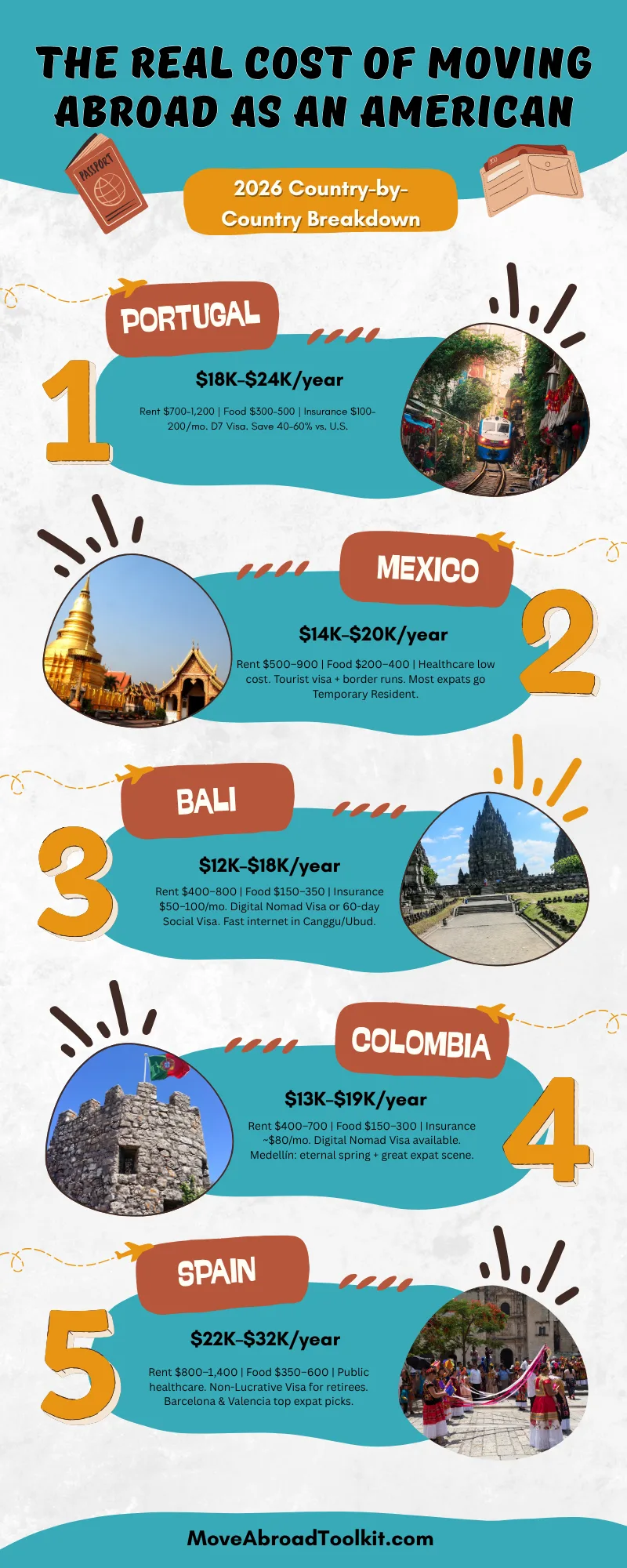
- A comfortable month in Croatia costs $1,500–$2,800 depending on city and lifestyle
- Americans get 90 days visa-free in Croatia (EU but not Schengen-counted yet) — Croatia has its own tourist entry rules as of 2023
- Split = best coastal base; Zagreb = urban infrastructure and value; Dubrovnik = beautiful but expensive in peak season
- Croatia’s Digital Nomad Visa covers stays up to 12 months for remote workers
- The Croatian kuna was replaced by the euro in 2023, simplifying finances for European travelers
Visa Rules for Living in Croatia for a Month
Croatia joined the Schengen Area in January 2023, meaning it now shares the same 90-day-in-180-days tourist entry rules as the rest of the Schengen Zone. If you’ve used Schengen days in France, Germany, Portugal, or other member countries, those days count against your Croatian allowance too. For a clean one-month trip with no other Schengen travel, you have the full 90 days available.
For remote workers who want to stay longer than 90 days, Croatia’s Digital Nomad Visa is one of the most generous in Europe — up to 12 months, renewable, and designed for exactly this use case.
How Much Does It Cost to Live in Croatia for a Month?
Croatia is more affordable than most Western European countries, though coastal tourist towns in peak season (July–August) spike significantly in price. Here’s a realistic monthly budget:
| Expense | Budget (Zagreb) | Mid-Range (Split) | Comfortable (Split/Dubrovnik) |
|---|---|---|---|
| Accommodation | $600–900 | $800–1,200 | $1,400–2,500 |
| Food and Dining | $200–350 | $300–500 | $500–900 |
| Transportation | $40–80 | $50–100 | $100–200 |
| Coworking Space | $80–150 | $100–180 | $150–250 |
| Utilities and SIM | $30–60 | $40–70 | $70–120 |
| Activities | $100–200 | $200–400 | $400–800 |
| Monthly Total | ~$1,050–1,740 | ~$1,490–2,450 | ~$2,620–4,770 |
Most Americans living in Croatia for a month land comfortably in the $1,500–$2,500 range. See our Moving to Croatia guide and Cost of Living in Croatia breakdown for more detail.
Best Places to Live in Croatia for a Month
Split — Best Coastal Base
Split is the sweet spot of Croatia — a real city (not just a resort town) built around the walls of Diocletian’s Palace, with excellent cafes, a growing coworking scene, direct ferry access to the Dalmatian islands, and genuinely manageable prices outside peak season. The best base for a month-long Croatia stay that combines work and exploration.
Zagreb — Best for Urban Life and Value
Croatia’s capital is underrated among international visitors — excellent food and cafe scene, strong coworking infrastructure, lower prices than the coast, and a very livable European city vibe. Ideal if you want an urban month without the tourist density of the coastal towns.
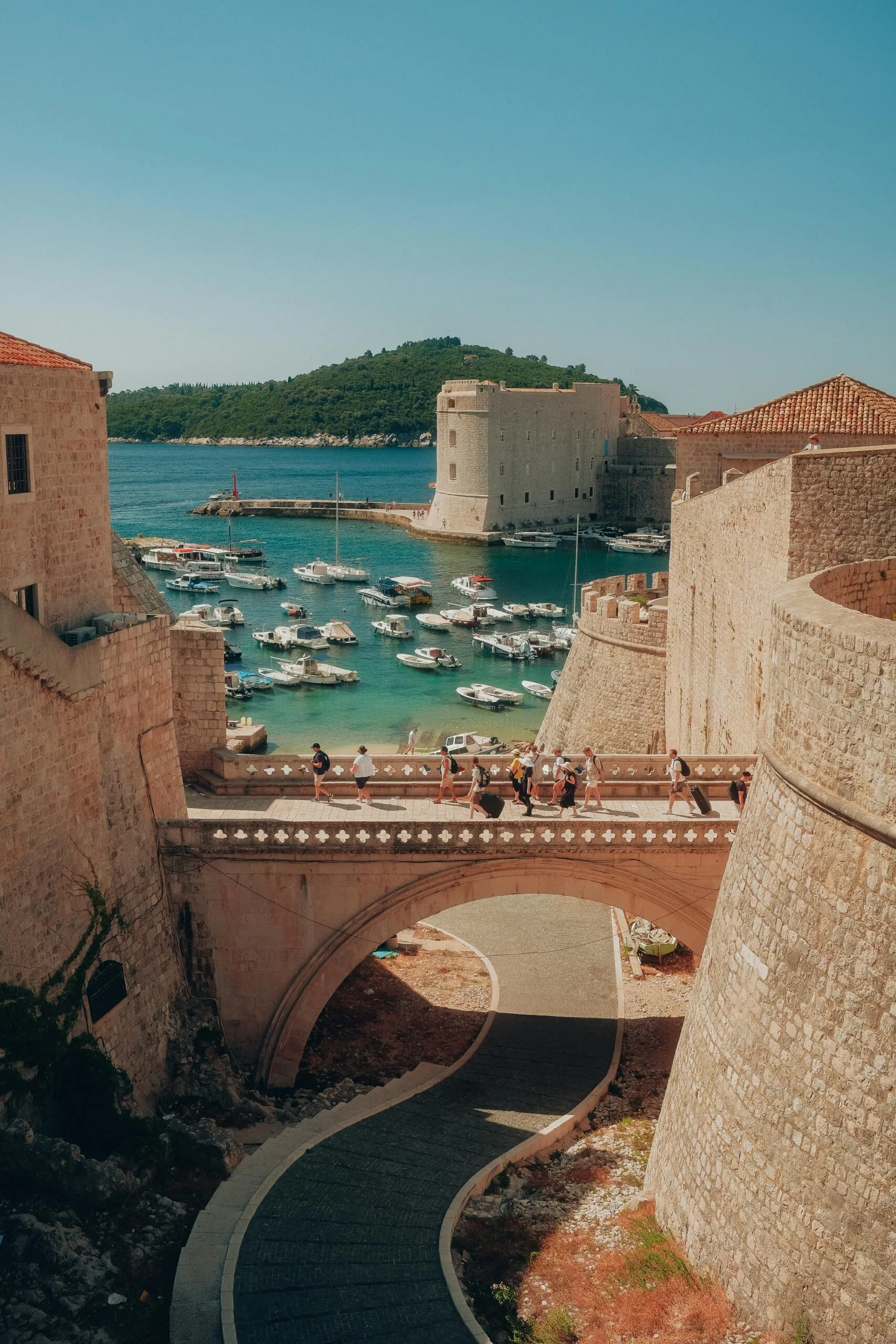
Dubrovnik — Best for the Experience, Not the Budget
Dubrovnik is one of the most beautiful cities in the world — but July and August push accommodation prices to levels that rival Western European capitals. Go in May, June, September, or October for the full Dubrovnik experience at a fraction of peak-season prices. Monthly apartments outside the Old Town walls run €900–€1,400 in shoulder season.
Working Remotely in Croatia for a Month
Croatia is in the CET/CEST time zone (UTC+1/+2) — the same as most of Central Europe. This puts Croatian afternoons during US morning business hours, making US client calls manageable in the late afternoon. Coworking options are growing in Split and Zagreb; Dubrovnik is more limited. A Hrvatska Pošta or T-Mobile Croatia SIM with 30-day data costs €10–€20. Home and apartment wifi quality has improved significantly but still varies — confirm speeds before booking.

📌 Save this guide for later! Pin it to your travel or move abroad board so you can find it when you need it.
Click the image above to save directly to Pinterest.
Essential Expat Tools
These are the tools I personally use and recommend for anyone making the move abroad:
- Wise — Send and receive money internationally with real exchange rates. I use Wise for paying rent and converting USD. Get Wise here.
- SafetyWing — Affordable travel medical insurance for nomads and expats, month-to-month. Get SafetyWing here.
- NordVPN — Essential for US streaming access, secure banking on public WiFi, and data protection abroad. Get NordVPN here.
- Taxes for Expats — CPA-prepared US tax returns for Americans living abroad. Avoid costly mistakes with an expert who knows expat tax rules. File with Taxes for Expats.
- MATK Toolkit — My free resource hub: checklists, visa guides, cost comparisons for Americans moving abroad. Get the free Toolkit.
Frequently Asked Questions
Do I need a visa to live in Croatia for a month?
No. Since Croatia joined the Schengen Area in January 2023, Americans get 90 days visa-free (within any 180-day period). A one-month stay requires no visa prep.
How much does a month in Croatia cost?
Budget in Zagreb: $1,000–$1,700/month. Mid-range in Split: $1,500–$2,500. Coastal peak season (Dubrovnik in July): significantly more. Shoulder season cuts prices 30–50%. See our full guide to the cost of living in Croatia.
What’s the best time of year to live in Croatia for a month?
May, June, September, and October are ideal — excellent weather, dramatically lower prices than July–August, and fewer tourists. July and August are peak season and push coastal accommodation costs to their highest.
Ready to plan your month in Croatia? Start with our Start Here guide and Resources page. See our full Moving to Croatia as an American guide.
For official entry and visa rules for Croatia, visit the Croatian Ministry of Foreign Affairs.
Thinking about moving abroad? Book a Move Abroad Planning Call for personalized guidance on your relocation.
Continue Planning Your Move
Everything you need is in one place.
Free Download
Remote Income Starter Kit
30 curated remote job boards, an application tracker & freelance rate calculator. Fund your move before you leave.