90 Days in Croatia: Complete 2026 Guide for Americans
This post contains affiliate links. If you click through and make a purchase, I may earn a small commission at no extra cost to you. I only recommend products and services I personally use and trust.
90 days in Croatia covers the full Schengen tourist allowance and gives you enough time to experience the country beyond its famous summer coastline — the interior, the islands, the food culture, and the day-to-day rhythm of Croatian life. Three months in Croatia rewards you with significantly lower rental rates, a genuine sense of place, and enough time to decide whether Croatia could be your next long-term base.
Why trust this guide? I take destination guides seriously because I’ve personally walked the path — I funded my own move abroad by selling my house, my car (to CarMax), and my belongings on Facebook Marketplace and at garage sales. I write from experience, not from a press trip.
Key Takeaways
📋 WHAT’S IN THIS GUIDE
- 90 days is the maximum visa-free stay for Americans in Croatia (Schengen rules)
- A 90-day stay costs $4,000–$8,000 total depending on season, city, and lifestyle
- Seasonal timing matters enormously — the same apartment costs 2–3x more in July vs. October
- Three-month direct rentals are 25–40% cheaper than Airbnb monthly rates
- The Croatia Digital Nomad Visa is available for stays beyond 90 days
Visa Strategy for 90 Days in Croatia
Croatia joined the Schengen Area in January 2023. Americans get 90 days within any 180-day period across the entire Schengen Zone — no extensions, no exceptions for tourists. The 90 days you spend in Croatia count against the same pool as days spent in Germany, France, Italy, or any other Schengen country. Plan your travel accordingly.
For stays beyond 90 days, Croatia’s Digital Nomad Visa is one of Europe’s most practical — up to 12 months for remote workers earning income from outside Croatia, with a minimum income requirement of around €2,539/month.
How Much Does 90 Days in Croatia Cost?
Croatia’s costs are highly seasonal. A realistic 90-day budget in shoulder season (May–June or September–October) vs. peak season differs significantly:
| Expense | Shoulder Season (Split) | Peak Season (Coastal) | Zagreb Year-Round |
|---|---|---|---|
| Accommodation (3 months) | $2,000–3,200 | $4,000–7,000 | $1,800–3,000 |
| Food (3 months) | $700–1,200 | $900–1,600 | $600–1,000 |
| Transportation | $150–300 | $200–400 | $120–250 |
| Coworking (3 months) | $280–500 | $300–550 | $240–450 |
| Health Insurance | $120–180 | $120–180 | $120–180 |
| Misc and activities | $400–700 | $600–1,100 | $300–600 |
| 90-Day Total | ~$3,650–6,080 | ~$6,120–10,830 | ~$3,180–5,480 |
For a full monthly breakdown of what Americans spend, see our guide to the cost of living in Croatia for Americans.
Most Americans doing 90 days in Croatia in shoulder season spend $4,000–$6,500 total. See our Cost of Living in Croatia and Moving to Croatia guide for the full breakdown.
Best Base for 90 Days in Croatia
For 90 days, many Americans split time: 4–5 weeks in Zagreb (lower cost, strong coworking, urban life), then 6–7 weeks on the Dalmatian coast (Split, Hvar, Brač) or in Istria (Pula, Rovinj). A popular pattern is arriving in May for the coast, shifting to Zagreb for the summer heat, then returning to the coast in September when it’s warm, cheaper, and much less crowded.
For a single-city immersion, Split is the best balance of cost, character, and connectivity. Zagreb is better if you prioritize urban infrastructure and consistent year-round pricing.

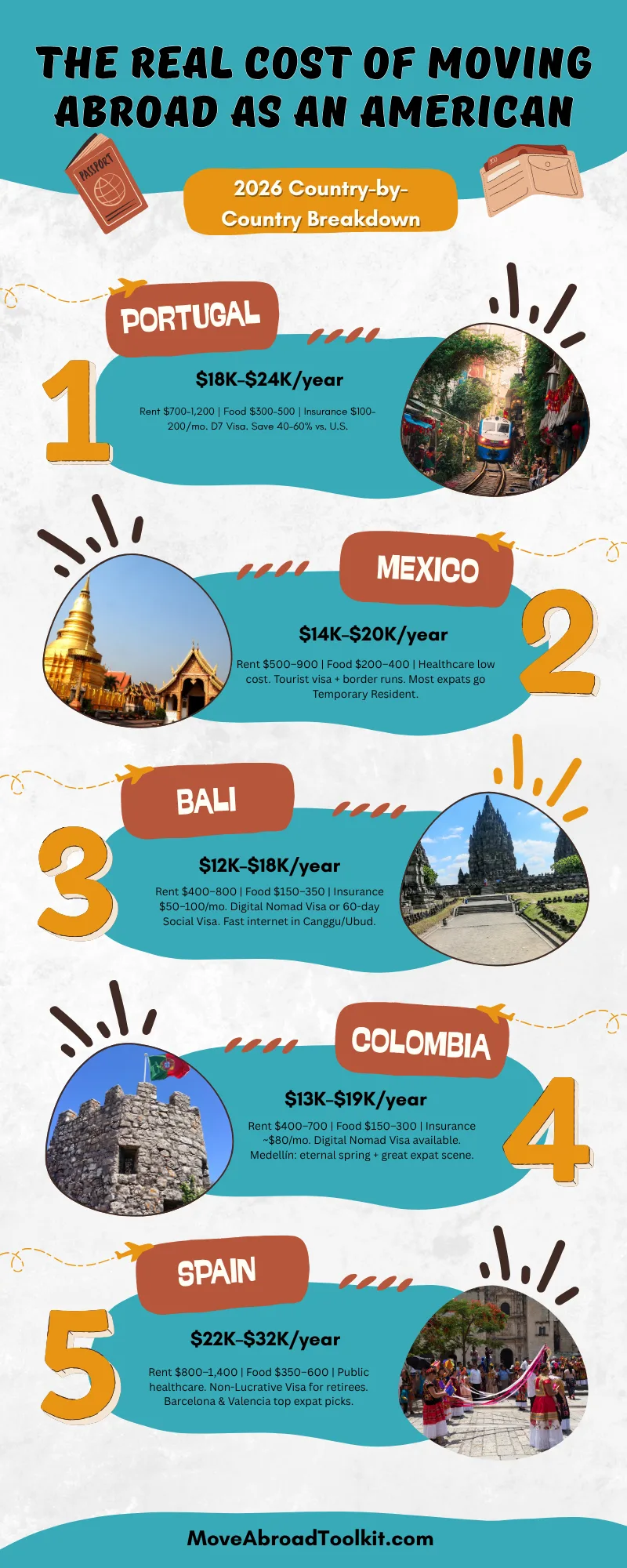
📌 Save this guide for later! Pin it to your travel or move abroad board so you can find it when you need it.
Click the image above to save directly to Pinterest.
Best Regions to Spend 90 Days in Croatia

Croatia rewards a multi-region 90-day stay more than a single-base trip. The country is long, narrow, and the coast and inland feel like different worlds. The strongest regional combinations for Americans:
Split & Central Dalmatia
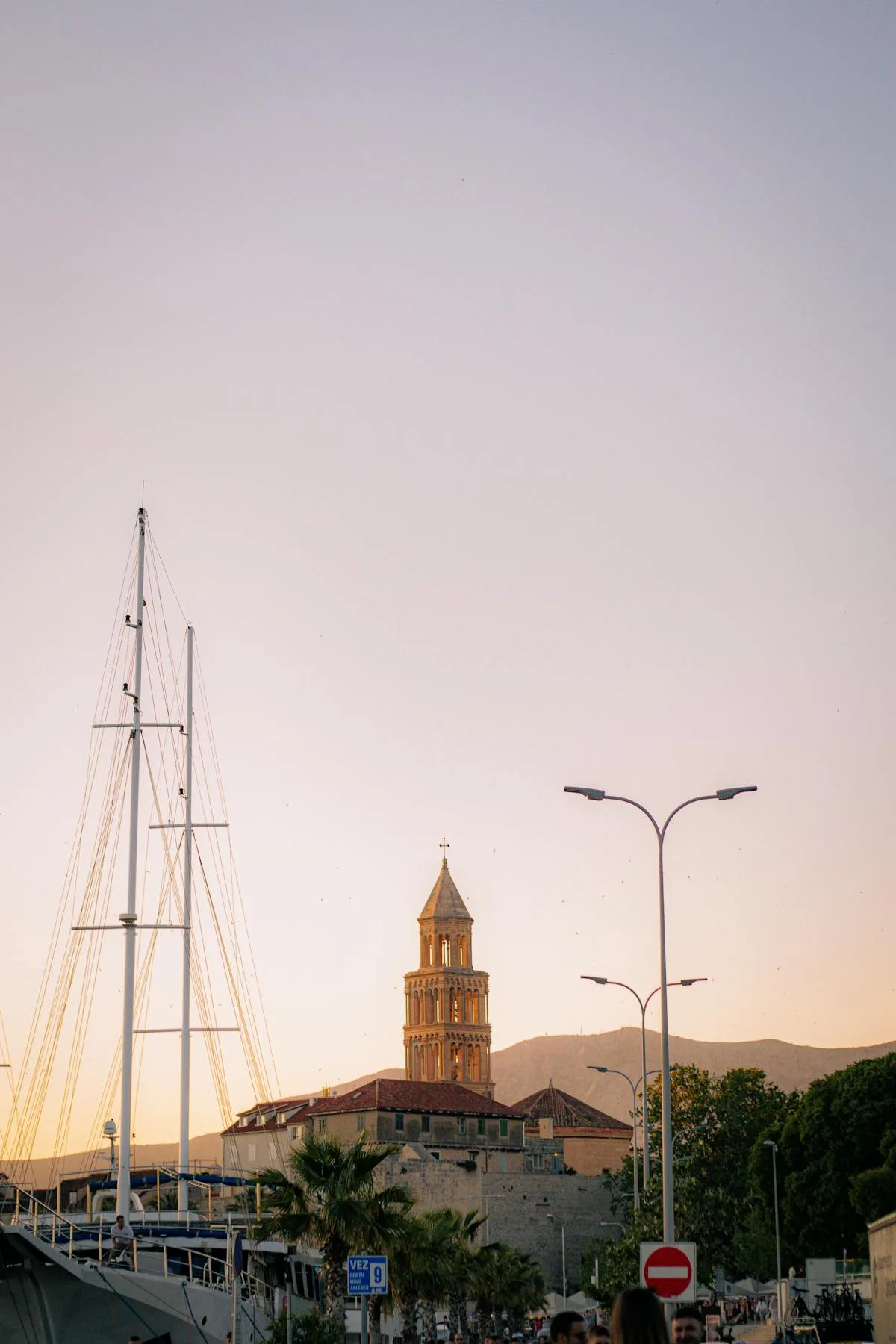
Split is the most practical 90-day base on the coast. It has a real airport, year-round residents, walkable old town inside Diocletian’s Palace, ferry access to Hvar, Brač, and Vis, and prices noticeably lower than Dubrovnik. Furnished one-bedrooms run €700–€1,400/month outside July–August, jumping 60–100% during peak season.
Zagreb & the Interior
Zagreb is the cultural and economic capital and a completely different experience from the coast — café culture, museums, year-round local life, and significantly cheaper rent. It’s the strongest pick for the cooler months of a 90-day stay (October through April) when the coast empties out.
Istria (Pula, Rovinj, Poreč)
The northwest peninsula has a Venetian-Italian feel, the country’s best food scene, hilltop towns, and easier access from Italy or Slovenia. Excellent for the third leg of a 90-day itinerary or for travelers who want a quieter alternative to the busier Dalmatian coast.
What to Pack for 90 Days in Croatia
Croatia’s seasons swing harder than most American visitors expect. Coastal summers are hot and dry (mid-80s°F), winters on the coast are mild but rainy, and inland Zagreb has real cold spells (20s–30s°F). Pack flexibly:
- Layered clothing — lightweight summer pieces plus a warm mid-layer for evenings, ferries, and Zagreb winters
- Water shoes or sturdy sandals — most Croatian beaches are pebble or rock, not sand
- A daypack for ferry day trips to nearby islands
- Travel adapter (Type C/F European two-pin) — confirm your laptop and devices are dual-voltage
- An unlocked phone — Croatian SIMs from A1, T-Mobile, or Telemach run €15–€30 for 90 days of data
- Reef-safe sunscreen — coastal pharmacies stock it but at noticeably higher prices than U.S.
Common Mistakes Americans Make on 90-Day Croatia Trips

The patterns that derail first-time 90-day Croatia stays are usually the same ones experienced visitors warn about:
- Arriving in July or August expecting affordable rentals. Peak-season pricing on the coast doubles or triples shoulder-season rates and accommodation books out months ahead. Aim for May–June or September–October for the best balance of weather and value.
- Treating Schengen and 90/180 as separate from Croatia. Croatia joined the Schengen Area in January 2023. Days you’ve already spent in any other Schengen country in the prior 180 days count against your 90-day allowance — Croatia does not reset the clock.
- Basing the entire 90 days in Dubrovnik. Dubrovnik is beautiful but expensive, cruise-crowded in summer, and quieter than expected in winter. It works well for 1–2 weeks, not 12.
- Skipping a rental car. The bus and ferry network is solid for the main coastal cities, but the national parks (Plitvice, Krka), inland villages, and Istria’s hilltop towns are dramatically easier with a car. Rentals run €25–€55/day for an automatic.
- Underestimating the digital nomad visa option. If you fall in love with Croatia in your first month, the country’s digital nomad residence permit allows up to 12 months without counting against Schengen days. The application is straightforward and worth knowing about before your 90 days run out.
Essential Expat Tools
These are the tools I personally use and recommend for anyone making the move abroad:
- Wise — Send and receive money internationally with real exchange rates. I use Wise for paying rent and converting USD. Get Wise here.
- SafetyWing — Affordable travel medical insurance for nomads and expats, month-to-month. Get SafetyWing here.
- NordVPN — Essential for US streaming access, secure banking on public WiFi, and data protection abroad. Get NordVPN here.
- Taxes for Expats — CPA-prepared US tax returns for Americans living abroad. Avoid costly mistakes with an expert who knows expat tax rules. File with Taxes for Expats.
- MATK Toolkit — My free resource hub: checklists, visa guides, cost comparisons for Americans moving abroad. Get the free Toolkit.
Frequently Asked Questions
How long can Americans stay in Croatia?
90 days within any 180-day period (Schengen rules). For longer stays, the Croatia Digital Nomad Visa allows up to 12 months.
How much does 90 days in Croatia cost?
Shoulder season in Split or Zagreb: $3,500–$6,000 total. Peak summer on the coast: $6,000–$10,000+. Split your time and arrive before June for the best value.
What’s the best time to do 90 days in Croatia?
May–June or September–October for ideal weather, dramatically lower prices, and fewer tourists vs. peak season. July–August is beautiful but expensive and crowded.
Ready to plan your stay? Start with our Start Here guide and Resources page. Read our full Moving to Croatia as an American guide.
For official visa and entry information, visit the Croatian Ministry of Foreign Affairs.
Ready to plan your stay? Start with our Start Here guide and Resources page. Read our full Moving to Croatia as an American guide.
For official visa and entry information, visit the Croatian Ministry of Foreign Affairs.
📌 Save this guide for later! Pin it to your travel or move abroad board so you can find it when you need it.
Click the image above to save directly to Pinterest.
Thinking about moving abroad? Book a Move Abroad Planning Call for personalized guidance on your relocation.
Continue Planning Your Move
Everything you need is in one place.
Free Download
Remote Income Starter Kit
30 curated remote job boards, an application tracker & freelance rate calculator. Fund your move before you leave.