Bangkok Digital Nomad: Your Ultimate Guide to Working Remotely in Thailand
This post contains affiliate links. If you click through and make a purchase, I may earn a small commission at no extra cost to you. I only recommend products and services I personally use and trust.
Bangkok is a vibrant hub for digital nomads looking to blend work and adventure. With its rich culture and affordable costs, it offers an exciting opportunity for those who want to work remotely while exploring a new city.
I’m Kimberly, and I’ve spent years helping Americans navigate the move abroad process. I’ve researched Bangkok extensively as part of building the Move Abroad Toolkit, working alongside expats who’ve made Thailand their remote work base. What follows is what actually matters for your Bangkok digital nomad journey.
Bangkok has fast internet, great workspaces, and lots of coworking spots, making it an ideal place for digital nomads. Getting around is easy and cost-efficient, with plenty of transportation options like the BTS Skytrain and tuk-tuks.
When hunger strikes, Bangkok has a mouthwatering variety of street food and restaurants to explore. From bustling markets to peaceful temples, there are endless activities to enjoy. Being a digital nomad in Bangkok also means connecting with a vibrant community of like-minded individuals.
Key Takeaways
- Bangkok offers fast internet and coworking spaces for digital nomads.
- Public transportation in Bangkok is easy to use and affordable.
- Connect with a vibrant community and enjoy cultural activities.
📋 WHAT’S IN THIS GUIDE
Starting Out as a Digital Nomad in Bangkok
Bangkok offers vibrant city life, reliable internet, and a welcoming community for digital nomads. You’ll find everything you need to start your journey, from work tools to visa tips. Before booking your flight, check out this guide to Thai Digital Nomad Visa requirements so you arrive prepared.
Understanding the Digital Nomad Lifestyle
Living in Bangkok as a digital nomad means working from cafes, co-working spaces, or even your apartment. It’s flexible and allows you to explore the city at your own pace.
You must balance work tasks with daily city life, managing your time to meet deadlines while enjoying all that Bangkok offers.
Communication is key, so keep in touch with clients and teams via apps like Slack or Zoom. Learning a few Thai phrases can go a long way, helping you connect with locals and make your stay more enjoyable.
Essential Tools for Remote Work
To work efficiently, make sure your technology is up-to-date. A reliable laptop is a must, and consider investing in quality headphones and a portable charger.
You’ll also need a stable internet connection; luckily, Bangkok has plenty of Wi-Fi hotspots and stable mobile data plans. For SIM cards and data abroad, Airalo’s eSIM is one of the easiest ways to stay connected as soon as you land.
Using tools like Trello, Google Workspace, and Dropbox can help keep your tasks organized. Co-working spaces in Bangkok often offer these resources, along with a professional work environment and networking opportunities with other digital nomads.
Benefits of Living in Bangkok
Bangkok is an exciting city for digital nomads. The cost of living is relatively low compared to many Western cities. If you want real numbers, this breakdown of living in Thailand on $2,000 a month is worth reading before you plan your budget.
The city bustles with energy, offering countless cafes and co-working spaces. You’ll find a supportive community of like-minded individuals. Bangkok’s central location in Southeast Asia also makes it easy to travel to nearby countries during weekends or holidays.
Navigating Visa Requirements
Understanding visa requirements is crucial. Most digital nomads start with a Tourist Visa, allowing up to 60 days. It can be extended for 30 more, but you’ll need a new visa for long-term stay. Read the full Thailand Digital Nomad Visa guide for current requirements, costs, and timelines.
Consider consulting visa services for the latest updates and best options for your situation. Remember, visa regulations change, so staying informed is key to a smooth experience in Bangkok.
Finding Your Ideal Accommodation
When you’re planning your stay in Bangkok as a digital nomad, it’s important to choose the right place to live. You’ll need to decide on neighborhoods, types of accommodation, and budget. Read on to learn how to make the best choice for your needs.
Popular Neighborhoods for Nomads
Bangkok has several neighborhoods that are great for digital nomads. Sukhumvit is a top choice, offering a mix of modern malls and local markets. It’s perfect if you want convenience and excitement.
Thonglor is another trendy spot, known for its cafes and nightlife. If you prefer a quieter atmosphere, Ari offers a laid-back vibe with lots of green spaces.
Silom is a good option for business-minded nomads, with lots of co-working spaces. Each neighborhood provides unique attractions and conveniences that cater to different lifestyles and preferences.
Choosing Between Airbnb and Serviced Apartments
When it comes to accommodation, you have options like Airbnb and serviced apartments. Airbnb is popular for short stays, offering flexibility and a local experience. It’s ideal if you want to try different areas in the city.
Serviced apartments are often better for longer stays, providing a blend of comfort and independence. Either way, both options have their benefits, so choose based on your length of stay and lifestyle needs.
Affordable Living Costs in Bangkok
Bangkok is known for its affordable living costs, especially compared to other big cities. You can find a variety of accommodations that fit different budgets. Renting a place can be cheaper than many might expect, with options starting from modest shared rooms to luxurious apartments.
Dining out is also budget-friendly. Street food offers tasty and cheap meals. For groceries, local markets provide fresh produce at low prices. Transportation costs are reasonable, with options like the BTS skytrain and buses keeping travel affordable.
With careful budgeting, you can enjoy a comfortable lifestyle in Bangkok without breaking the bank. For transfers and payments between currencies, Wise keeps your international money moves cost-effective.
Workspaces and Connectivity
In Bangkok, digital nomads find plenty of places to stay connected and productive. From modern coworking spaces to cozy cafes, you’ll discover spots that provide reliable internet and the right atmosphere for work.
Coworking Spaces and Co-living Hubs
Bangkok offers a variety of coworking spaces that cater to different needs. The Hive Thonglor is popular for its rooftop garden and lively community events. Hubba is another great option, providing flexible seating and plenty of networking opportunities.
Most coworking spaces include amenities like free coffee and meeting rooms. Co-living hubs are also common, providing you with both a working space and accommodation.
Cafes with Reliable Wifi
Cafes in Bangkok are well-known for offering a combination of great coffee and steady internet. Many freelancers and digital nomads head to cafes like Casa Lapin and Rocket Coffeebar. These spots guarantee you a cozy work environment with dependable WiFi.
Internet Speed and Infrastructure
Bangkok boasts impressive internet speeds, with many locations offering high-speed internet. The city’s infrastructure supports your need to stay connected, with many public spaces providing free WiFi.
Providers in the area often give options for unlimited data, making remote work easier. In both coworking spaces and cafes alike, fast internet speeds help you keep up with work demands while enjoying your time in this vibrant city.
Transportation Made Simple
Bangkok offers various transportation choices that cater to digital nomads. Get familiar with the efficient BTS Skytrain and MRT systems, or explore the city through taxis, buses, and even boats. This is especially useful if you’re planning a longer stay, like 90 days in Thailand.
Getting Around with BTS Skytrain and MRT
The BTS Skytrain and MRT are the heart of city travel. They are fast, air-conditioned, and reliable, making them a preferred option. The BTS has two lines: the Sukhumvit Line and the Silom Line. Meanwhile, the MRT covers two main routes: the Blue Line and Purple Line.
Stations provide clear signs in both Thai and English. For frequent travelers, consider the Rabbit Card for the BTS or a stored value card for the MRT. These cards save time and often money, making them practical choices for your daily commute.
Taxis, Buses, and Water Transport
Taxis in Bangkok are plentiful, and many use meters. Ride-hailing apps like Grab are popular alternatives, providing another convenient option. Buses offer a budget-friendly way to see more of the city, though routes can be confusing.
Trying water taxis or ferries on the Chao Phraya River is a unique experience. They offer scenic routes and connect several popular spots, such as the Grand Palace and Wat Pho.
Food and Leisure in the City of Angels
Bangkok offers the best of both worlds with its tasty street food and lively nightlife. You’ll find a mix of traditional dishes and modern delights, all while exploring vibrant markets and malls.
Street Food Staples and Local Cuisine
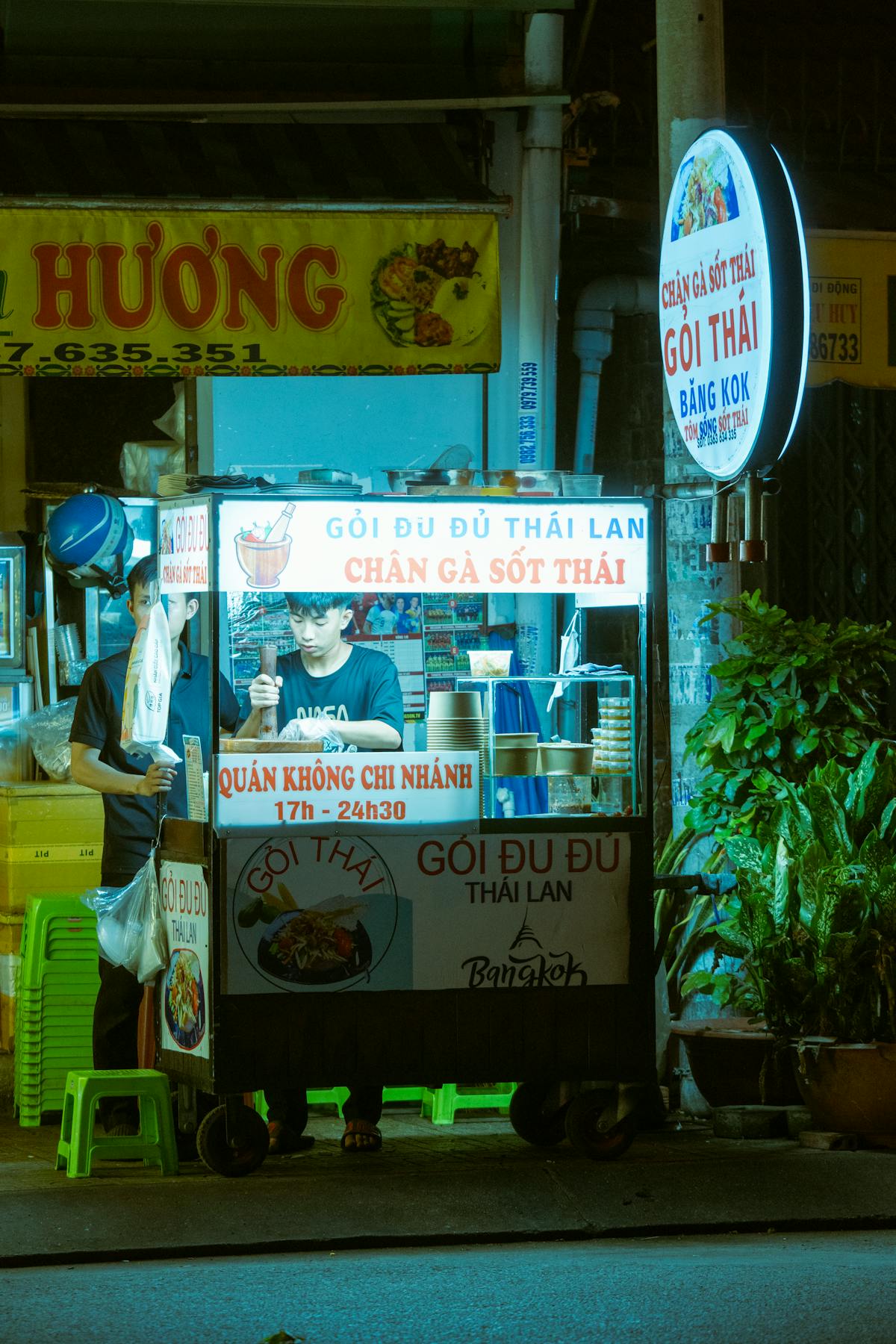
Bangkok is famous for its street food. You can try a range of flavors from pad thai to spicy som tam. Street vendors line the busy streets, offering delicious dishes at any time of day. If you love seafood, don’t miss out on some local favorites like grilled fish or tom yum soup.
One must-try drink is Thai iced tea. Its sweet and creamy taste is perfect for cooling down. Experience local dining by sitting on small plastic stools and enjoying the fast-paced rhythm of the street around you.
Nightlife and Dining Options
When the sun sets, Bangkok’s nightlife comes alive. Khao San Road is famous for its energetic atmosphere, with bars, clubs, and live music venues. Whether you want a relaxing night or an adventurous one, you’ll find endless options.
If you prefer dining, Bangkok offers a variety of restaurants. Treat yourself to traditional Thai dishes or try international cuisine. You can even find rooftop bars with sweeping views of the city.
Weekend Markets and Shopping Malls
Whatever your style, Bangkok’s markets and malls cater to every need. The Chatuchak Weekend Market is a must-visit. It’s one of the largest markets in the world. With thousands of stalls, it’s the perfect place to buy handmade crafts, clothing, and souvenirs.
Shopping malls in Bangkok, like MBK Center and Siam Paragon, offer luxury brands and dining. Many malls have food courts where you can enjoy a variety of dishes in one place.
Cultural Insights and Activities
Bangkok is a city rich in culture and offers many activities. From elaborate temples to vibrant art scenes, there’s a lot to explore.
Exploring Bangkok’s Temples and Landmarks
Bangkok is home to some of the most impressive temples in the world. The Grand Palace is a must-see, with its intricate architecture and rich history. Nearby, you’ll find the Temple of the Emerald Buddha, highly revered and visited by many.
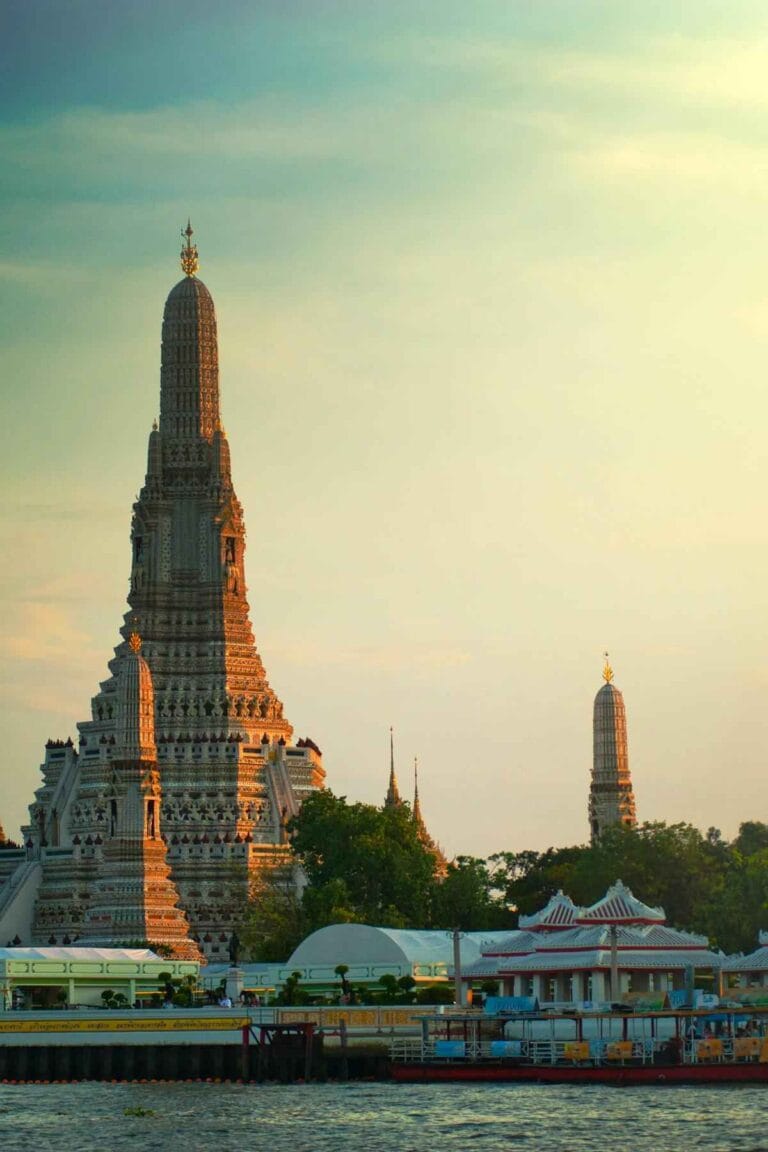
Wat Arun, or the Temple of Dawn, stands majestically by the river. Another iconic spot is Wat Pho, known for its giant reclining Buddha and traditional Thai massage school.
Art Scenes and Cultural Immersion
The art scene in Bangkok is lively and varied. Street art adds color to the city, with murals popping up in neighborhoods like Chinatown and Ekkamai. Galleries like Bangkok Art and Culture Centre showcase contemporary Thai art.
Finding Serenity in Parks and Green Spaces
For a break from the bustling city, head to Bangkok’s green spaces. Lumphini Park is a favorite spot for locals and visitors. It offers peaceful walks, morning tai chi, and paddle boats on the lake.
Chatuchak Park is near the famous weekend market, perfect for an afternoon rest. Benjakitti Park is another beautiful spot, with a fine view of the city skyline.
Networking and Building Connections
Bangkok is a vibrant hub for digital nomads. There are plenty of ways to meet fellow freelancers and entrepreneurs. You’ll find a welcoming community with numerous events and online groups to help you connect and build meaningful relationships.
Digital Nomad Community and Events
Bangkok hosts many events aimed at digital nomads. Co-working spaces such as Hackerspace and The Hive frequently organize networking nights, workshops, and talks. Conferences and meetups are held throughout the year covering topics like SEO, app development, freelancing, and entrepreneurship.
Social Media Groups and Local Meetups
Facebook Groups are a huge resource for digital nomads in Bangkok. Groups like Bangkok Digital Nomads and Digital Nomads Thailand offer information about job opportunities, events, and co-living spaces.
Stay active in these online communities to tap into local insider knowledge. For expat health coverage while you’re based in Bangkok, SafetyWing Nomad Insurance is a popular option that covers you as you travel across Thailand and the region.
Tools and Resources for Bangkok Nomads
Beyond day-to-day logistics, getting your finances and taxes sorted is essential for long-term Bangkok living. For US expat tax filing, Taxes for Expats specializes in Americans living abroad and takes the guesswork out of your annual returns. And if you need a comprehensive toolkit for every stage of your move, the Move Abroad Toolkit covers visas, banking, health insurance, and more.
Frequently Asked Questions
Life in Bangkok as a digital nomad offers access to bustling coworking spaces, affordable living areas, and a supportive community. Visa options are varied, and the internet connection is reliable for remote work. Let’s explore these topics further.
What are the top coworking spaces for digital nomads in Bangkok?
Bangkok is home to many vibrant coworking spaces. Some popular options include Hubba, The Hive, and Launchpad. These places offer great facilities, like fast Wi-Fi and meeting rooms, plus fantastic networking opportunities.
Can you recommend any affordable areas to live in Bangkok as a digital nomad?
Several neighborhoods in Bangkok are budget-friendly and popular with digital nomads. Consider staying in areas like Ari or On Nut. They offer reasonable rent, local shops, and easy access to public transport.
How do digital nomads in Bangkok handle visas and legal documentation?
Visa options for digital nomads in Bangkok include tourist visas and the SMART visa. Many choose the visa run method, leaving and re-entering Thailand to extend their stay. It’s important to check current legal requirements and consult local experts or agencies for guidance.
What’s the internet connectivity like in Bangkok for remote work?
Internet speed in Bangkok is generally reliable, with high-speed options available. Most coworking spaces provide fast Internet. Many coffee shops and apartments also offer good connectivity.
Are there any digital nomad meetups or communities in Bangkok?
Bangkok has a thriving community of digital nomads. You can find groups and meetups through platforms like Meetup.com or Facebook. These events are great opportunities to connect, share experiences, and network with others on a similar journey.
What’s the cost of living like in Bangkok for a digital nomad?
Living in Bangkok can be very affordable. On average, you can expect to spend less than in many Western cities. Markets and street food stalls offer cheap yet delicious dining options. For a detailed breakdown, check out our guide on moving to Thailand as an American.

📌 Save this guide for later! Pin it to your travel or move abroad board so you can find it when you need it.
Click the image above to save directly to Pinterest.
Thinking about moving abroad? Book a Move Abroad Planning Call for personalized guidance on your relocation.
Continue Planning Your Move
Everything you need is in one place.
Free Download
Remote Income Starter Kit
30 curated remote job boards, an application tracker & freelance rate calculator. Fund your move before you leave.