Estonia Digital Nomad Visa: Requirements, Costs & How to Apply (2026)
Some links on this site are affiliate links, which means the site may earn a commission at no extra cost to you. Services are included because they fit the move abroad process, not because of the commission.
The Estonia Digital Nomad Visa allows remote workers to live in Estonia for up to one year. For 2026, the primary requirement is proving a minimum monthly net income of €3,504 for the six months prior to your application.
Note: You will see many generic visa sites quoting a €4,500/month requirement for 2026. That is the gross requirement. The actual net requirement (what must actually hit your bank account) is €3,504. The Estonian government wants to see this net amount consistently for 6 months.
Updated April 2026
This guide is for remote workers and freelancers who want to live in Estonia legally for up to a year. By the time you finish reading, you’ll know exactly whether you qualify, what documents you need, what it costs, and what the process actually looks like step by step.
I have personal experience navigating European residency requirements. I funded my own move abroad by selling my house, my car (to CarMax), and my belongings on Facebook Marketplace and at garage sales. I know what it’s like to actually commit to a move, not just research it. So when I walk you through the Estonia Digital Nomad Visa requirements, I’m writing for people who are genuinely ready to go.
I’ve spent time navigating Schengen-area visa rules firsthand: three months in Paris taught me exactly how much paperwork, bank documentation, and patience these applications require. Estonia’s digital nomad visa has one of the cleaner application processes I’ve seen for a European country, but there are specific income thresholds and documentation requirements that trip people up if they don’t know what to expect going in.
Here’s what you need to know.
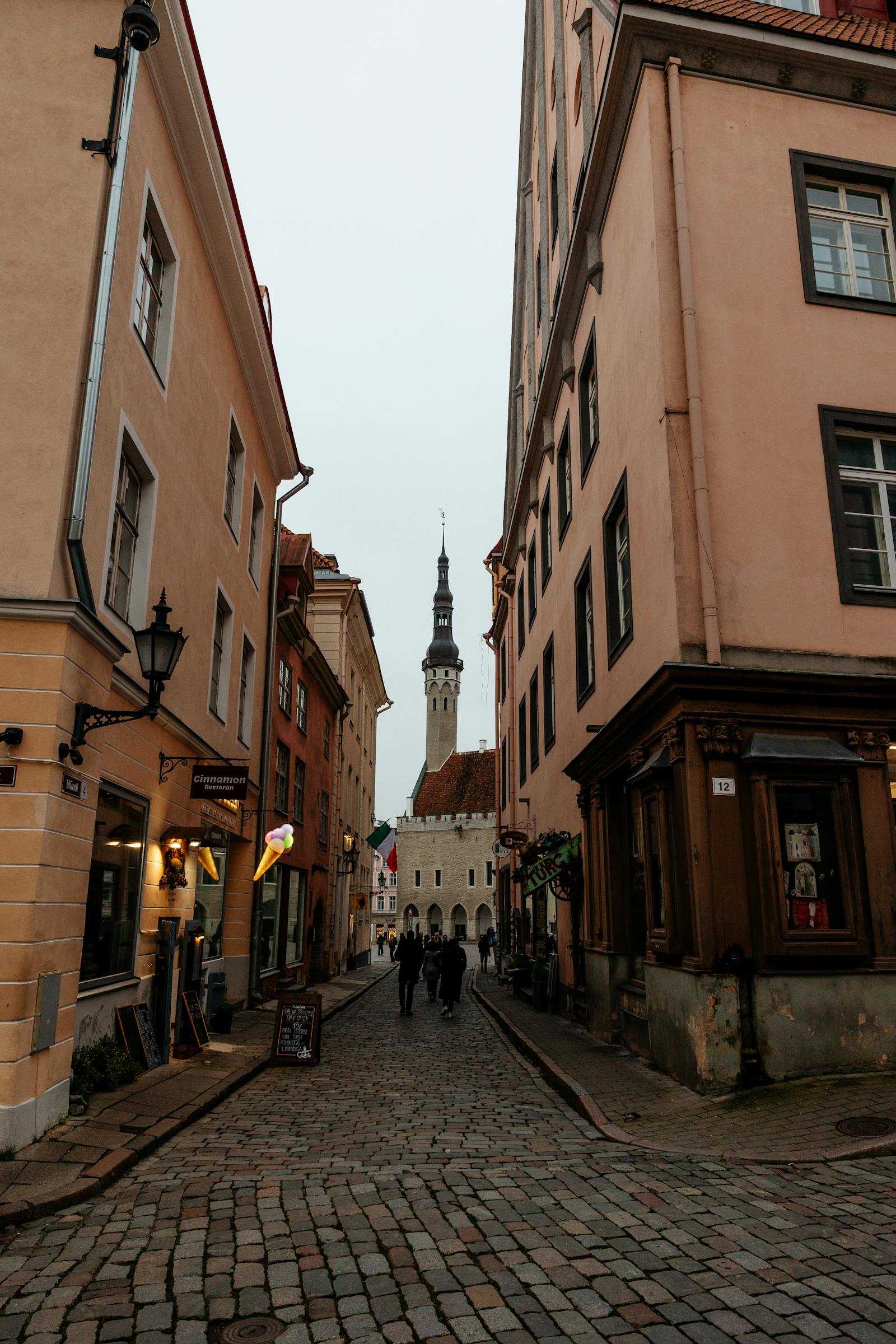

📌 Save this guide for later! Pin it to your travel or move abroad board so you can find it when you need it.
Tap the button below, or on a computer, hover over any image to pin it.
📋 In This Guide
- What Is the Estonia Digital Nomad Visa?
- Do You Qualify? Eligibility Requirements
- How to Apply: Step-by-Step Process
- Cost Breakdown: What the Estonia Digital Nomad Visa Actually Costs
- Banking and Money While in Estonia
- Health Insurance Requirements (And What Actually Works)
- Working Remotely From Estonia: Practical Setup
- Cost of Living in Estonia (Honest Numbers)
- What’s Harder Than You’d Expect
- After the Estonia Digital Nomad Visa: Your Options
- Is the Estonia Digital Nomad Visa Right for You?
Estonia Digital Nomad Visa Income Requirements (2026):
- Main applicant: €4,500 gross monthly income (proof required for last 6 months)
- Spouse/partner add-on: €1,800 monthly
- Each dependent child: €600 monthly
- Tax obligation if you stay 183+ days: 14% to 20% Estonian income tax applies (consult a dual-jurisdiction CPA)
What Is the Estonia Digital Nomad Visa?

The Estonia Digital Nomad Visa is a temporary residence permit that lets remote workers live and work in Estonia for up to one year. It’s designed for people who work location-independently, either for a foreign employer or as a freelancer with international clients.
Estonia was one of the first countries in the EU to create a visa category specifically for remote workers, and its e-Residency program made it a natural fit. The country has fast, reliable internet, a strong digital infrastructure, and a growing expat tech community, particularly in Tallinn.
There are two visa types depending on how long you plan to stay:
- Type C (Short-Stay Visa): Up to 90 days within any 180-day period. This is technically the Schengen short-stay visa. You can apply for this if you’re testing the waters or know you won’t need a full year.
- Type D (Long-Stay Visa): Up to 365 days. This is the actual digital nomad visa most remote workers apply for. It does not count toward your Schengen 90/180 day limit.
Most people asking about the Estonia digital nomad visa are looking for the Type D. That’s what this guide focuses on.
Estonia Digital Nomad Visa Requirements (2026)
To be eligible for the Estonia Digital Nomad Visa, you need to meet all of these criteria:
- You work remotely using digital means (computer, internet)
- Your employer is registered outside of Estonia, OR you’re self-employed/freelancing for clients outside Estonia
- You meet the minimum monthly income requirement
- You have valid health insurance covering Estonia
- You have a clean criminal record
The key eligibility hurdle for most people is the income threshold.
Income Requirement: What You Need to Show
As of 2026, you need to demonstrate a minimum monthly net income of €3,504. This is not optional or negotiable: it’s a hard floor, and the visa will be denied if your documented income doesn’t meet it.
What counts as income proof:
- Bank statements from the past 6 months showing consistent deposits
- Pay stubs or employment contracts from your foreign employer
- Client invoices and payment receipts if you’re freelancing
- Tax returns if you’re self-employed
The income needs to be consistent. Showing one big month and five slow months won’t cut it. Estonian authorities want to see a stable pattern.
One thing I’d flag upfront: if you earn in a currency other than euros, be prepared to show exchange rate documentation alongside your bank statements. This came up repeatedly when I was helping a friend document Schengen income in a similar process. The conversion calculations need to be explicit, not assumed.
Estonia’s €3,504 monthly requirement compares favorably against several EU options. To see income requirements for all major DNV countries, the full comparison covers 15 destinations with current thresholds.How to Apply: Step-by-Step Process
Here’s how the application actually works:
Step 1: Gather Your Documents
Before you touch any application form, get these documents ready:
- Valid passport (must be valid for at least 6 months beyond your intended stay)
- Completed visa application form (available from the Estonian Police and Border Guard Board website)
- Recent passport photo meeting Schengen photo requirements
- Proof of remote work (employment contract or client agreements)
- Income documentation: 6 months of bank statements showing at least €3,504/month net
- Proof of health insurance valid in Estonia (minimum coverage of €30,000)
- Criminal background check from your home country (apostilled if required)
- Proof of accommodation in Estonia (rental agreement or hotel booking)
On the health insurance side: standard travel insurance doesn’t always meet the minimum coverage requirement. I use SafetyWing’s Nomad Insurance, which is specifically designed for long-term remote workers and meets Estonia’s minimum coverage threshold. Our full SafetyWing Nomad Insurance review breaks down coverage in detail. It runs about $45/month for most applicants under 40, which is significantly cheaper than most international health insurance alternatives.
Step 2: Submit Your Application
You submit the application at the Estonian Embassy or Consulate nearest to you. Not all countries have an Estonian Embassy. Check the Estonian Ministry of Foreign Affairs website to find the nearest one or the country that handles Estonia’s consular services for your region.
You can also apply through the Police and Border Guard Board (PPA) if you’re already in Estonia on a valid Schengen visa.
The application fee is €100. Processing typically takes 15 to 30 calendar days after a complete application is submitted. Budget 45 days to be safe, especially if you’re applying from a country where the Estonian Embassy is backlogged.
Step 3: Attend Your Interview (If Required)
Not all applicants are called for an interview, but some are. If you are, expect straightforward questions: How do you work remotely? Who is your employer or who are your clients? Why Estonia? What are your plans while there?
Be honest and direct. This isn’t an interrogation. They’re checking that your documentation matches your story.
Step 4: Receive Your Decision
If approved, you’ll receive a visa sticker in your passport allowing you to enter Estonia and stay for the approved period (up to 365 days). If your application is rejected, you’ll receive a written explanation with an option to appeal within the specified time window.
Cost Breakdown: What the Estonia Digital Nomad Visa Actually Costs
Here’s the real cost picture, including things most guides skip:
- Visa application fee: €100
- Criminal background check + apostille: $50 to $150 depending on your country
- Health insurance: ~$45 to $150/month (SafetyWing starts at $45; comprehensive international plans can run $150+)
- Document translation (if applicable): $50 to $200 per document
- Accommodation proof: Cost depends on what you book, but budget at least one month of rent or a hotel booking to submit with your application
The total out-of-pocket to get the visa is typically $200 to $500 depending on where you are and whether your documents need translation or apostille. That’s before your actual cost of living in Estonia.
Banking and Money While in Estonia
Estonia is part of the eurozone. For managing money as a remote worker, you’ll want a bank account that doesn’t charge international fees or currency conversion markups.
I use Wise for international transfers and currency management. It’s the most cost-effective way to receive income in multiple currencies, hold euros, and spend locally without getting hit with conversion fees every transaction. Opening a Wise account before you travel lets you arrive with a card that works immediately. For a complete comparison of expat banking options, see our best banks for living abroad guide.
Estonian banks are available to residents: Swedbank and SEB are the two largest, but getting a local bank account as a visa holder can take a few weeks and requires your residence documentation to be in order first. Don’t count on it being your primary banking solution for the first month.
Health Insurance Requirements (And What Actually Works)

Your health insurance must:
- Cover the entire duration of your stay in Estonia
- Provide minimum coverage of €30,000
- Cover medical repatriation
- Be valid across the Schengen Area (not just Estonia)
Standard travel insurance policies, the kind you buy for a two-week vacation, typically don’t meet these requirements. Read the fine print carefully before submitting.
SafetyWing Nomad Insurance is what I’d recommend for most remote workers. It’s built for exactly this use case, starts at around $45/month, and the coverage terms are explicitly designed to satisfy long-stay visa requirements in countries like Estonia. Make sure you get the plan that includes Europe and check the coverage summary document, which is exactly what Estonian authorities want to see.
Working Remotely From Estonia: Practical Setup
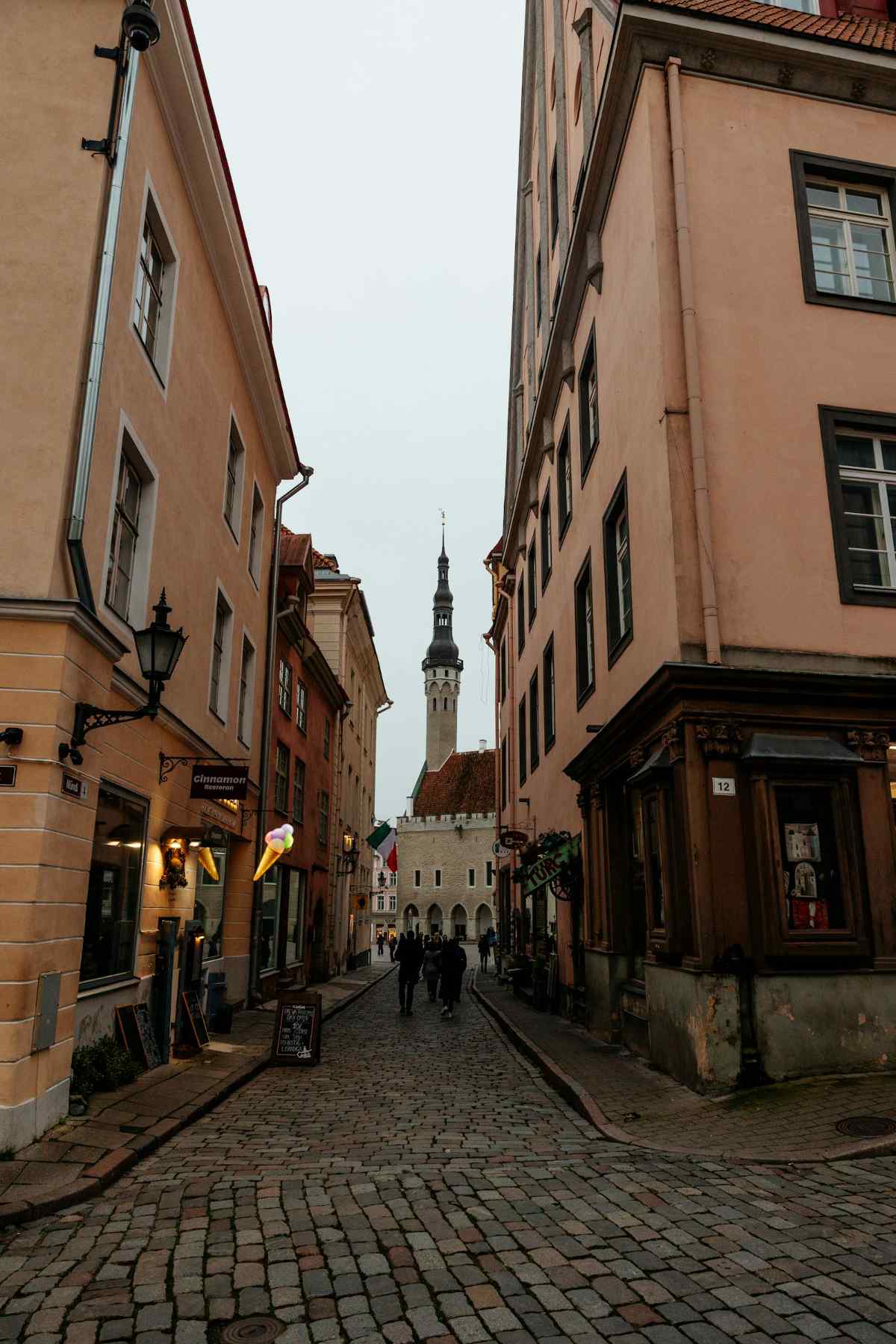
Estonia has some of the best internet infrastructure in Europe. Tallinn in particular has a thriving digital nomad scene with coworking spaces, tech meetups, and a community that’s used to internationals working remotely.
For your remote work security, a VPN is worth having. Estonia is in the EU with strong data protection laws, but you’ll still want NordVPN or a comparable service if you’re working with sensitive client data, accessing banking on public networks, or need to access region-locked content from your home country. Most coworking spaces have fast enough connections that a VPN doesn’t meaningfully slow your work.
Tallinn’s Old Town has a concentration of coworking spaces within walking distance, but the Ülemiste City tech district is where most of the actual tech companies are based and has several good shared workspaces worth checking out if you want to be around the local startup crowd.
Cost of Living in Estonia (Honest Numbers)
Tallinn is one of the more affordable EU capitals, but “affordable” is relative. Here’s what to realistically expect:
- Rent (1-bedroom apartment, Tallinn): €700 to €1,200/month in the center; €500 to €800 outside the center
- Groceries: €200 to €300/month for one person cooking at home
- Eating out: €10 to €15 for a sit-down meal; €5 to €8 for lunch
- Public transport (monthly pass): €23
- Coworking space: €150 to €250/month for a hot desk
- Total realistic monthly budget: €1,500 to €2,500 for a comfortable lifestyle
Note that the €3,504 income requirement is well above what you’d spend living comfortably in Tallinn. It’s designed to ensure you’re financially stable, not just scraping by.
What’s Harder Than You’d Expect
The honest challenge with Estonia’s digital nomad visa is the documentation burden, not the visa itself. The €3,504/month income threshold is significant: many freelancers or early-stage remote workers don’t hit it consistently. If your income varies month to month, you’ll need to carefully look at your 6-month average and be prepared to explain any gaps or dips.
The second friction point is getting your documents apostilled and potentially translated. If you’re applying from the US, the apostille process for your FBI background check can take 8 to 12 weeks through the State Department (or 3 to 5 days through an expediting service for $150 to $200 more). Factor this into your timeline.
And one thing that surprised me when researching this: the Estonian digital nomad visa does not give you the right to work for Estonian companies or Estonian clients. It’s specifically for people whose work and income source is outside Estonia. If you’re freelancing, your client contracts need to be with companies or individuals outside Estonia to stay within the rules.
After the Estonia Digital Nomad Visa: Your Options
When your visa period ends, your main options are:
- Leave and travel on your regular passport/Schengen access, the simplest option if Estonia was just one stop
- Apply for another digital nomad visa, if you want to continue living in Estonia; you’ll generally need to leave and reapply
- Apply for a longer-term residence permit: Estonia does have longer-term options if you’ve established ties, including through e-Residency or employment with an Estonian company
- Move to another digital nomad visa country: Portugal, Spain, and several other EU countries have similar visa programs if you want to keep traveling while staying within the EU
Want to compare Estonia against other European digital nomad visa options? See my breakdown of how to pick the right digital nomad visa for your situation.
📌 Save this guide for later! Pin it to your travel or move abroad board so you can find it when you need it.
Not sure which country to plan around yet? Before you work through the details, take the free country match quiz to find the countries that fit your budget, visa needs and lifestyle.
Is the Estonia Digital Nomad Visa Right for You?
If you meet the income threshold, work for foreign clients or employers, and want a stable, EU-based home base with strong digital infrastructure, Estonia is a solid choice. Tallinn is genuinely livable: clean, organized, English-friendly, and cheaper than most Western European capitals.
The honest caveat is that the €3,504/month income floor excludes a lot of early-career remote workers and people in lower-paying markets. If you’re close but not quite there, this might be one to revisit in a year when your income is more established.
For a comprehensive framework on evaluating whether Estonia or any destination is the right fit for your move, check out the Move Abroad Toolkit start page and the resources page for visa checklists and planning tools.
Ready to move forward? The Move Abroad Toolkit has the full visa document checklist and scouting trip methodology to help you evaluate Estonia before you commit.
One ongoing cost to plan for: US tax filing. As an American living abroad, you must file US taxes every year regardless of where you live. Taxes for Expats specializes in exactly this. They handle US expat returns and can help you navigate the Foreign Earned Income Exclusion, which could save you significant money if you qualify.
What is the minimum income requirement for the Estonia digital nomad visa?
As of 2026, you need to demonstrate a minimum monthly net income of €3,504. This must be documented through 6 months of bank statements, pay stubs, or equivalent income documentation showing consistent earnings at or above this threshold.
How long can I stay in Estonia on the digital nomad visa?
The Type D digital nomad visa allows a stay of up to 365 days (1 year). Unlike the Schengen short-stay visa, the Type D does not count toward your 90/180-day Schengen allowance.
Can I bring my family on the Estonia digital nomad visa?
Yes. Family members (spouse/partner and minor children) can apply for accompanying visas. You’ll need to show sufficient income to support all family members and provide documentation for each person, including their own health insurance.
How much does it cost to apply for the Estonia digital nomad visa?
The application fee is €100. Additional costs include health insurance (starting around $45/month with SafetyWing), criminal background check with apostille ($50 to $150), and any required document translation ($50 to $200 per document).
What type of work qualifies for the Estonia digital nomad visa?
Your employer must be registered outside Estonia, or if you’re self-employed, your clients must be based outside Estonia. The visa is not designed for people working with Estonian companies or clients. You must be doing work that can be performed digitally using a computer and internet connection.
How long does it take to process the Estonia digital nomad visa?
Processing typically takes 15 to 30 calendar days after a complete application is submitted. Budget 45 days to account for any requests for additional documentation or consular backlogs. Ready to explore Europe as a digital nomad? Compare the Estonia digital nomad visa with the Netherlands digital nomad visa and the Portugal digital nomad visa. See our full list of digital nomad visas for Americans to compare all your options.
Ready to take the next step? The MATK Toolkit walks you through the full move-abroad process with checklists, budget templates, and destination-specific guidance.
Thinking about moving abroad? Book a Move Abroad Planning Call for personalized guidance on your relocation.
Continue Planning Your Move
Everything you need is in one place.
Free Quiz
Find Your Best Country Match
Answer a few quick questions about your budget, language comfort, lifestyle and visa needs, and see which countries fit you best.