Thai Digital Nomad Visa: 7 Must-Know Steps to Live and Work in Thailand (2026)
This post contains affiliate links. If you click through and make a purchase, I may earn a small commission at no extra cost to you. I only recommend products and services I personally use and trust.
Dreaming of working from a beach or a bustling city in Thailand? The Thai Digital Nomad Visa (DTV) could be your ticket to a new adventure.
This visa makes it easier for remote workers to live and work in Thailand for longer periods — without the constant visa run headache.
Thailand has an affordable cost of living, reliable internet, and a massive digital nomad community already in place. You can make your money stretch further, immerse yourself in a vibrant culture, and get serious work done — all from the same place.
This guide walks you through everything: eligibility, requirements, the application process, costs, and what life actually looks like on the ground. If you want to start here with the big picture of moving abroad, we cover that too. Let’s get into it.
📋 WHAT’S IN THIS GUIDE
What the Thai Digital Nomad Visa Actually Is
Thailand launched the Destination Thailand Visa (DTV) to attract remote workers, freelancers, and digital professionals who want to live in the country long-term. If you’re employed by a foreign company or run your own business online, this visa was built for you.

Defining DTV
The DTV is a long-stay visa that lets you remain in Thailand for up to 180 days per entry, with a validity of 5 years. No more leaving every 30 or 60 days for a visa run.
That alone is a game changer for anyone who has bounced in and out of Bali or Penang just to reset a tourist stamp.
DTV holders cannot work for Thai companies or take on locally-sourced income. Your employer or clients must be registered outside Thailand.
Benefits of the Digital Nomad Visa
- 5-year validity — no more annual renewals
- 180 days per entry — extendable once for another 180 days
- No work permit required for remote work serving foreign clients
- Access to Thailand’s banking system and long-term housing leases
- Lower cost of living compared to most Western countries
Comparing the DTV to Other Thailand Visa Options
Before the DTV existed, digital nomads in Thailand had limited long-stay options:
- Tourist visa (METV): Multiple-entry tourist visa, valid 6 months, 60 days per entry. No path to extended stays. Still requires visa runs.
- Education visa: Required active enrollment in a Thai school or language program. Many nomads enrolled in Thai language classes to maintain status — costly and time-consuming.
- LTR (Long Term Resident) visa: Requires $80,000+ USD in annual income or $500,000+ in assets. Too restrictive for most remote workers.
- Elite visa: Costs $10,000–$30,000 USD for a 5–20 year visa. Legitimate but out of reach for most nomads.
The DTV sits squarely in the middle: more accessible than the Elite or LTR visa, more flexible than tourist options, and purpose-built for people earning abroad while living in Thailand.
For a deeper look at Thailand’s full expat landscape, check out our complete guide to moving to Thailand as an American.
Who Qualifies — and What You Need to Prove It
The DTV targets remote workers, freelancers, and digital entrepreneurs. Here’s exactly what you need to qualify and what documentation supports each requirement.
Income Requirements
You need to demonstrate consistent income from a non-Thai source. The current guidance points to a minimum of around $40,000 USD annually — though this can vary and Thai immigration officials have discretion. Evidence includes:
- Employment letters from a foreign employer
- Recent pay stubs or bank statements (typically 3-6 months)
- Freelance contracts or client invoices
- Business registration documents if self-employed
For managing your money internationally, [AFFILIATE: Wise] is the tool most digital nomads use to receive income in multiple currencies and transfer it without losing a chunk to bank fees.
Financial Assets and Stability
Beyond monthly income, you may need to show a minimum balance in your bank account. Showing $20,000–$40,000 USD in savings strengthens your application significantly, especially if your freelance income varies month to month.
Documents Needed
Gather these before you start the application:
- Valid passport (minimum 6 months remaining validity)
- Completed DTV application form
- Proof of employment or self-employment with a foreign entity
- Bank statements showing sufficient income or assets
- Proof of health insurance covering your full stay (see below)
- Passport-sized photos
- Application fee payment
Health insurance is mandatory. Most applicants use [AFFILIATE: SafetyWing] — it’s built specifically for digital nomads and remote workers, covers Thailand, and is priced for long-term stays rather than short tourist trips.
How to Apply: Step-by-Step
The application can be submitted at a Thai embassy or consulate in your home country, or through the official Thai e-visa portal. Here’s how the process works.
Steps to Apply for the DTV
- Create your account — Register at the Thai e-visa portal using your email address
- Complete the application form — Enter your personal details, employment information, and intended stay accurately
- Upload your documents — Follow the portal’s format requirements for file size and type. Errors here cause delays
- Pay the application fee — The fee is payable through the portal. Amounts can change, so verify the current rate before submitting
- Wait for approval — You’ll receive a notification by email. Processing times vary by embassy
Stay organized. Keep a folder with every document scanned and labeled before you start. Applications that are complete on first submission move faster.
The Cost of Living Is Lower Than You Think
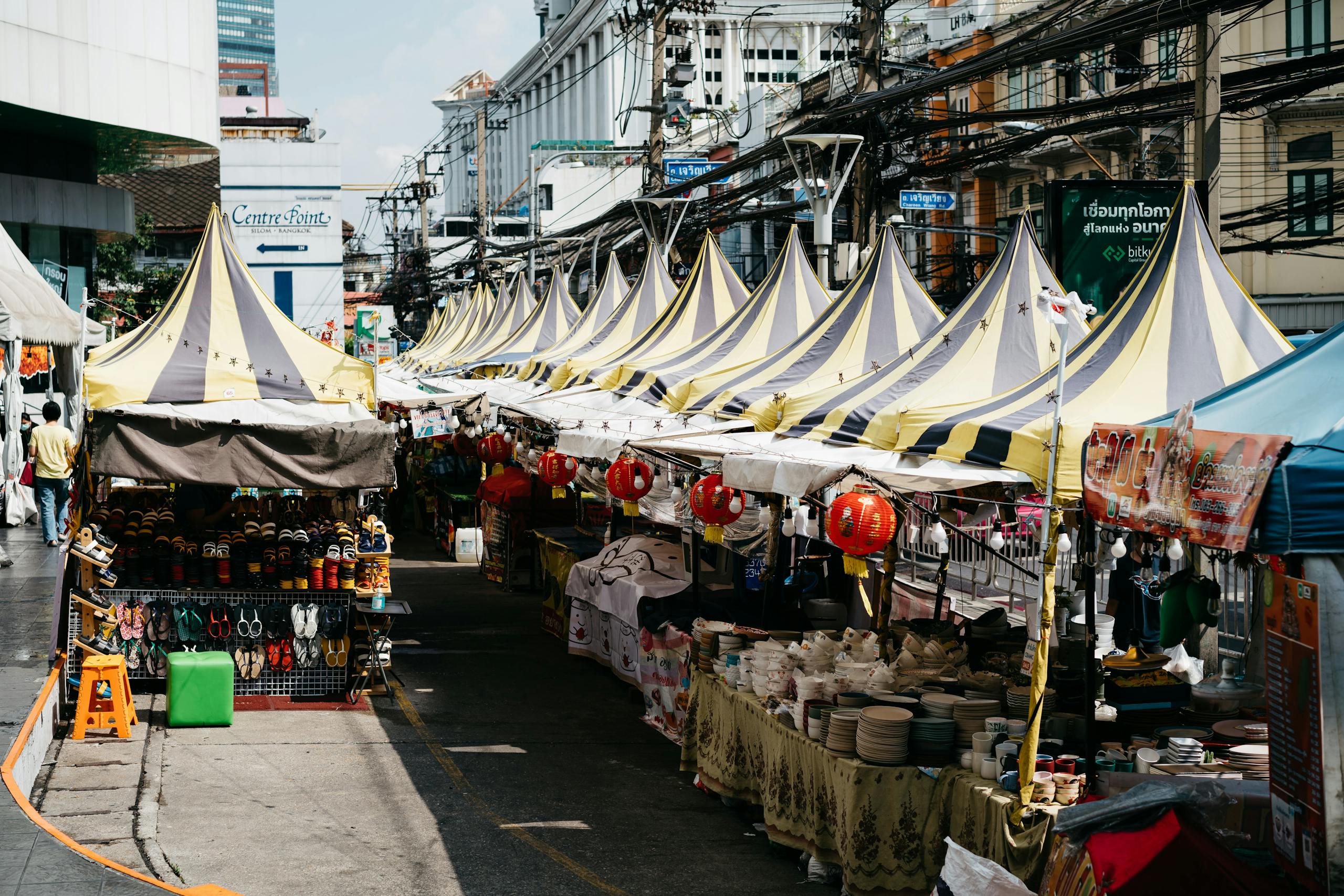
This is one of the biggest draws for American digital nomads. Thailand’s cost of living is a fraction of what you’d pay in New York, San Francisco, or even a mid-sized US city — and the quality of life is genuinely high.
Accommodation in Urban and Rural Areas
Your housing cost depends heavily on where you land:
- Bangkok city center: $500–$1,000/month for a one-bedroom apartment
- Bangkok suburbs: $300–$500/month — similar quality, lower price
- Chiang Mai: $300–$600/month — the nomad favorite for good reason
- Koh Lanta, Pai, or smaller towns: $200–$400/month — basic but functional
Most digital nomads start in Chiang Mai or Bangkok, then branch out as they learn the country. Furnished apartments are widely available and short-term leases (1-3 months) are common in nomad hubs.
Healthcare and Wellness
Thailand has world-class private hospitals at a fraction of Western prices. Bangkok’s Bumrungrad International Hospital is known globally. A standard doctor’s visit runs $30–$60 USD. Emergency care is available and high quality.
Mandatory health insurance for the DTV can be purchased before you arrive. [AFFILIATE: SafetyWing] covers Thailand specifically, including hospital stays, outpatient care, and emergency evacuation. It’s the most commonly used option among nomads on long-stay visas.
You Can Work Remotely Without a Work Permit
Thailand’s infrastructure for remote work has improved dramatically. Fast fiber internet is widely available in major cities, and the country has built an entire ecosystem around the digital nomad community.
Coworking Spaces
Both Bangkok and Chiang Mai have dense coworking networks. Expect to pay $5–$15/day for drop-in access, or $80–$200/month for a dedicated desk.
Popular options include CAMP (free WiFi at Maya Mall in Chiang Mai), Punspace, and a growing number of modern coworking spots in Bangkok’s Sukhumvit and Silom areas.
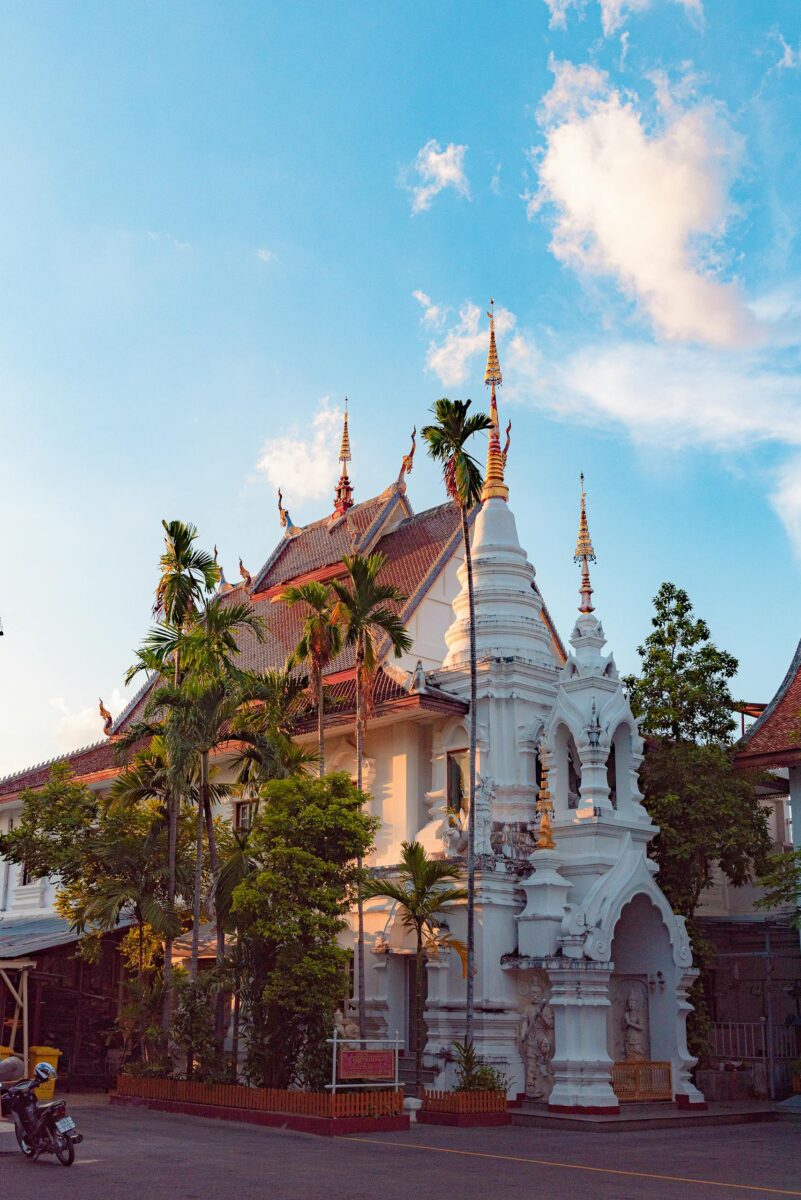
Best Cities for Digital Nomads on the DTV
Best Cities for Digital Nomads in Thailand
Where you choose to base yourself shapes your entire DTV experience. Thailand has three major nomad hubs, each with a distinct personality:
- Chiang Mai — The original and still the most popular. Lower cost of living, cooler temperatures (in the hills), dense coworking network, strong expat community. Best for: freelancers, solo nomads, those working US or EU time zones.
- Bangkok — The megacity option. World-class hospitals, international schools, every cuisine imaginable, non-stop connectivity. Higher cost than Chiang Mai but still affordable by Western standards. Best for: those who want urban energy, frequent business trips, or families.
- Koh Samui / Koh Phangan — Island life. Slower pace, beach access, growing coworking infrastructure. Best for: people prioritizing lifestyle over productivity, couples, or those who’ve done the city grind and want something different.
Most DTV holders start in Chiang Mai or Bangkok, then explore from there. The 5-year visa validity gives you freedom to move around without starting the paperwork over.
Internet Connectivity
4G LTE is widely available and fast across urban areas. Fiber home internet can be set up quickly and cheaply — plans run $15–$30/month for speeds you’d pay $80+ for in the US.
For remote workers handling sensitive client data or connecting to company VPNs, [AFFILIATE: NordVPN] is worth having from day one. It protects your connection on public WiFi at cafes and coworking spaces — a real risk in shared environments.
What to Bring and How to Prepare for Thailand
What to Bring and How to Prepare
Before your first entry on the DTV, there are a few practical things to sort out:
- Get a local SIM immediately. AIS, DTAC, and True Move offer monthly plans for $15–$25 that include unlimited data. Airalo eSIM [AFFILIATE: Airalo] works until you arrive and get a local plan.
- Open a Thai bank account. Bangkok Bank and Kasikorn (KBank) are the most foreigner-friendly. Having a local account makes rent payments, utilities, and transfers easier. Bring your passport, visa documentation, and proof of address.
- Sort health insurance before you land. SafetyWing Nomad Insurance [AFFILIATE: SafetyWing] covers you from day one. Make sure your policy is active before submitting the DTV application — it’s a hard requirement.
- Set up international banking. Wise [AFFILIATE: Wise] is the standard tool for nomads in Thailand. Send money from your home country, convert to Thai Baht at mid-market rates, and spend from your Wise card anywhere. Beats bank transfers every time.
Social and Networking Opportunities
Chiang Mai and Bangkok both have active digital nomad communities with regular meetups, networking events, and online groups. The Nomad List community, local Facebook groups, and Slack channels make it easy to find your people within days of arriving.
The Lifestyle Is Hard to Beat
Beyond the visa logistics, Thailand genuinely delivers on quality of life. The combination of affordability, culture, food, and climate makes it a favorite for long-term nomads — many of whom extend far beyond their original plans.
Cultural Immersion and Learning
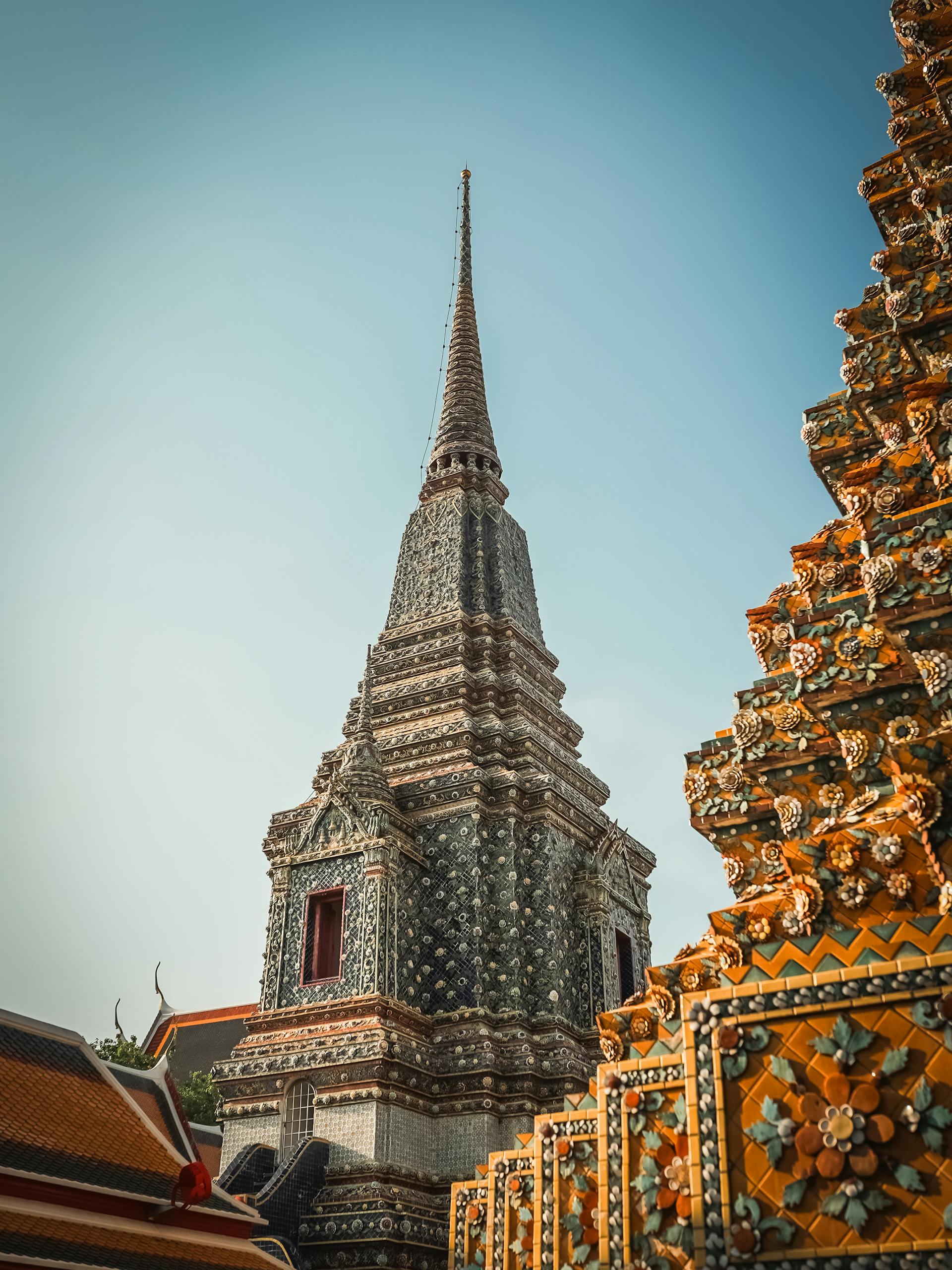
Living in Thailand gives you direct access to one of Southeast Asia’s richest cultures. Local markets, Buddhist temples, and traditional festivals are part of everyday life — not tourist attractions you pay for.
Thai cooking classes, Muay Thai training, and language lessons are all affordable and widely available.
Food, Transportation, and Daily Life
The everyday logistics of living in Thailand on the DTV are straightforward once you get oriented:
- Food: Street food runs $1–$3 per meal. Restaurant meals with a beer are $5–$10. Cooking at home from Western supermarkets costs more — plan for $15–$25 per day if you mix street food with home cooking.
- Transportation: Grab (Thailand’s Uber) is cheap, reliable, and works across all major cities. In Bangkok, the BTS Skytrain is fast and air-conditioned. In Chiang Mai, motorbike rentals run $60–$80/month and open up the mountains and countryside.
- Healthcare: A standard doctor’s visit costs $30–$60 USD at a private clinic. Dental work is a fraction of Western prices — many nomads time dental appointments with Thailand stays. Major hospitals like Bumrungrad and Bangkok Hospital have international departments with English-speaking staff.
- Language: English is widely spoken in tourist and nomad areas. Basic Thai — greetings, numbers, directions — goes a long way and is appreciated by locals. There are countless language apps and in-person classes available in every major city.
For more on what daily life as an expat looks like across Southeast Asia, visit our full resources list.
Understanding Your Visa and Tax Obligations
The legal side of the Thai Digital Nomad Visa is manageable — but it pays to understand the rules before you arrive.
Understanding Thai Visas
The Thai Digital Nomad Visa (DTV) is designed specifically for remote workers and digital entrepreneurs. It does not permit you to work for Thai-registered companies or take on local clients.
Your income must come from abroad. If you have any questions about the specific terms, the Thai Immigration Bureau publishes official guidance.
Taxation for Non-Residents
If you stay in Thailand for more than 180 days in a calendar year, you may be considered a Thai tax resident. This means income earned while in Thailand could be subject to Thai income tax.
Most nomads on the Thai Digital Nomad Visa stay under 180 days per entry — the visa requires leaving and re-entering anyway, which naturally helps manage this.
Consult a tax professional familiar with expat tax law. The rules on double taxation treaties and the US FEIE (Foreign Earned Income Exclusion) can significantly affect what you owe.
Ready to take the next step? Start with our Start Here guide — it maps out exactly how to approach your move from wherever you are today. And grab the Move Abroad Toolkit for every checklist, template, and resource you need in one place.
Save this guide: the top digital nomad visas for Americans, at a glance.
🧳 Ready to Make Your Move?
The Move Abroad Starter Toolkit has everything you need — visa checklists, cost of living templates, banking setup guides, and a step-by-step relocation timeline. Everything in one place, built for Americans.
Frequently Asked Questions
Here are the most common questions about the Thai Digital Nomad Visa for Americans.
How can I apply for a Thai Digital Nomad Visa?
You can apply through the Thai e-visa portal or at a Thai consulate or embassy in your home country. Gather all required documents first, complete the online form accurately, upload your supporting documents, pay the application fee, and wait for approval via email.
What are the requirements for Thailand’s Digital Nomad Visa?
You need a valid passport with at least 6 months remaining, proof of remote employment or self-employment with a non-Thai company, evidence of sufficient income (approximately $40,000 USD annually), proof of health insurance, and bank statements showing financial stability.
Is health insurance mandatory for the Digital Nomad Visa in Thailand?
Yes, health insurance is required and must cover your entire stay in Thailand. Most applicants use SafetyWing or similar digital nomad-focused insurance plans. The policy must meet Thailand’s minimum coverage requirements.
Can I work for any company with a Thai Digital Nomad Visa?
You must work for a company registered outside Thailand. Freelancing for international clients is also permitted. Working for local Thai companies is not allowed under the DTV — violating this rule can result in visa cancellation and deportation.
What is the duration of stay allowed on a Digital Nomad Visa in Thailand?
The DTV allows 180 days per entry, with the option to extend once for an additional 180 days. The visa itself is valid for 5 years, so you can re-enter multiple times. Each entry must include actual time spent outside Thailand before re-entry.
Are there any income tax implications for digital nomads residing in Thailand?
Staying in Thailand for more than 180 days may make you a Thai tax resident. This means Thailand-sourced income could be taxed.
Most nomads manage this by tracking their days carefully. Always consult a qualified expat tax professional before making any decisions — especially if you’re American filing the FEIE.
Thinking about moving abroad? Book a Move Abroad Planning Call for personalized guidance on your relocation.
Continue Planning Your Move
Everything you need is in one place.