Digital Nomad Visa Indonesia: Your Guide to Remote Work in Paradise
This post contains affiliate links. If you click through and make a purchase, I may earn a small commission at no extra cost to you. I only recommend products and services I personally use and trust.
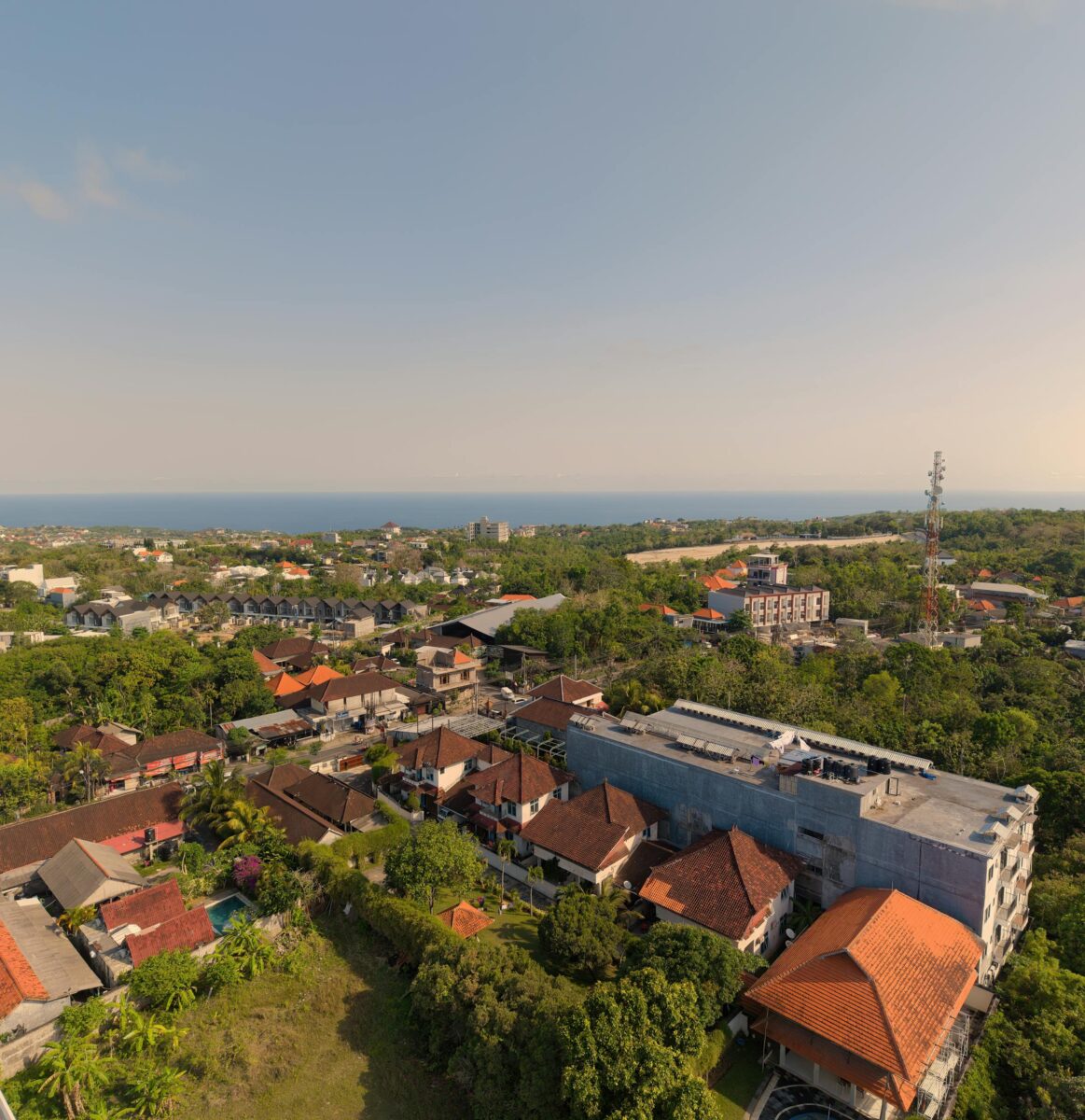
Picture yourself working from a beachfront café in Bali, laptop open, fresh coconut by your side. If this sounds appealing, then the digital nomad visa Indonesia might be just what you need.
This new visa allows remote workers to live and work legally in one of the world’s most beautiful places. With stunning islands and vibrant cities like Jakarta, Indonesia is perfect for both adventure and relaxation.

Applying for the digital nomad visa has been made straightforward, catered to flexible, modern workers like you.
Whether you’re a freelancer, entrepreneur, or someone who works remotely for a company, Indonesia has opened its doors wide, welcoming innovation and global connections.
This visa ensures you can enjoy Indonesia’s unique environment while working seamlessly.
Exploring life in Indonesia as a digital nomad means diving into its rich culture, diverse cuisine, and dynamic local life. Take the opportunity to immerse yourself in local customs and perhaps even learn the language.
Your experience can be more than just a work-from-anywhere lifestyle; it can be a true cultural journey.
Understanding the Digital Nomad Visa Indonesia
Digital nomad visas are special permits designed for people who want to work remotely while living in another country. These visas allow you to stay longer than a typical tourist visa, giving you more time to enjoy the local culture.
In this section, you’ll learn about what a digital nomad visa is and the different types you might consider.
Definition and Overview
A digital nomad visa is a type of visa that allows you to live in a foreign country while working remotely. It’s perfect for people who are self-employed, freelancers, or remote employees.
With this visa, you can live in a new country without worrying about overstaying a tourist visa.
For example, Indonesia offers several options such as the B211A visa, which you should consider if you want to stay in Bali or other regions for an extended time.
Advantages:
- You can explore new cultures.
- Enjoy flexibility in choosing where to live and work.
- Gain access to longer stays compared to a tourist visa.
These visas are ideal for those looking to balance work and travel.
Varieties of Visas for Digital Nomads
There are different visas available for digital nomads. In Indonesia, besides the B211A visa, you might apply for the E33G visa. Each has its own set of requirements and benefits.
- Tourist Visa: Short-term solution for quick stays, but not for long-term living as a digital nomad.
- Business Visa: Useful if your work involves multiple entry points or business meetings.
Consider which visa aligns best with your needs. You’ll have to check each visa’s specific rules and length of stay to see what fits your lifestyle.
Eligibility and Requirements
To apply for the digital nomad visa Indonesia offers, you must fit specific criteria and prepare certain documents. Key requirements include possessing a valid passport and meeting income thresholds.
Who Qualifies
To be eligible for the digital nomad visa, you should be someone who works remotely for a company outside Indonesia. Entrepreneurs with online businesses also qualify.
A valid passport is essential and must be valid for at least six months from your planned entry date.
A clean criminal record is required. This means you shouldn’t have any major legal issues. It’s important to verify this beforehand to ensure no surprises during your application.
Documentation Needed
Gathering the correct documents is crucial. A valid passport is first on the list, and it shouldn’t expire within the next six months.
You’ll need proof of employment from your overseas company. This could be contracts or letters confirming your remote work arrangement.
Entrepreneurs may need to show business ownership documents. A clean criminal record certificate is also needed.
It’s vital to organize these papers before applying.
Financial Prerequisites
Your finances need to meet specific criteria. Proof of income is vital. The Indonesian government might set a minimum income requirement to ensure you can support yourself.
You’ll also need proof of funds. This could be in the form of recent bank statements showing consistent income. Being prepared financially is an important step in securing your digital nomad visa Indonesia approval.
The Application Process
Applying for the digital nomad visa Indonesia involves several steps and requires particular documents and fees. Every part of the process is crucial to secure your visa approval.
Steps to Apply
To get started, you’ll need to fill out the visa application form. This form collects your personal information and details about your stay.
Make sure all information is accurate, as mistakes can delay processing.
Next, gather all application requirements, including a copy of your passport, recent photographs, proof of income, and evidence of a remote job. These documents help the authorities verify your information and support your application.
Then, submit your completed application form and documents to the Indonesian embassy or consulate nearest to you. You can usually send these by mail or apply in person, depending on their specific guidelines.
Fees and Charges
There are visa application fees you need to pay when applying for the digital nomad visa. These fees vary, so check the current rates on the embassy’s official website to avoid surprises.
Payment is typically made when you submit your application. You may be able to pay using credit cards, bank transfers, or other accepted methods, depending on the embassy’s policies.
Make sure to include all fees in your budget planning. If any additional charges apply during your stay, such as renewals or extensions, be prepared for those costs as well.
Processing Time and Approval
After submitting your application, the processing time can vary. Usually, it takes a few weeks to receive feedback.
Delays can occur due to high demand or incomplete applications, so make sure everything is in order.
Once approved, you’ll get a notification from the embassy. Keep an eye on your email or postal service for your approval letter.
Upon approval, you’ll receive your visa, allowing you to live in Indonesia while working remotely. Make sure to check the length of stay permitted and any conditions that apply.
Life in Indonesia as a Digital Nomad
Living in Indonesia as a digital nomad offers vibrant coworking spaces and diverse accommodation options, alongside a rich local culture and active networking opportunities. It’s a great place to work remotely while enjoying unique experiences.
Accommodations and Coworking Spaces
In Indonesia, you’ll find a variety of accommodations ranging from budget hostels to luxury villas. Popular areas like Bali offer many options to suit different preferences.
Bali digital nomad visa holders often enjoy staying in areas like Canggu and Ubud, which are known for their unique vibe and comfortable living spaces.
Coworking spaces are abundant in major cities and tourist hubs. They usually come with high-speed internet, meeting rooms, and creative environments.
Some popular coworking spaces include Dojo in Bali and Hubud, both providing a community feel and plenty of networking opportunities.
Living close to coworking spaces is ideal for reducing commute time and immersing yourself in the expat community. This can help you connect with other digital nomads and participate in various events.
Local Culture and Networking
Embracing local customs is an enriching part of life in Indonesia. The people are known for their warmth and friendliness, which makes adapting easier.
Engaging with locals can provide deeper insights into Indonesian culture, including its festivals and traditions.
Networking events happen regularly, often hosted by coworking spaces. These events are perfect for meeting like-minded professionals and expanding your circle.
The expat community is welcoming, frequently organizing meetups and workshops.
Participating in these activities offers chances to learn new skills and form valuable connections. This not only helps you professionally but also enriches your personal experience while living in Indonesia.
Legal Considerations
Moving to Indonesia as a digital nomad requires attention to legal matters related to immigration and taxation. Understanding visa policies and tax duties can save you from future headaches.
Immigration Compliance
To work in Indonesia as a digital nomad, you might consider the KITAS, a temporary residence permit.
It’s crucial to ensure all your paperwork aligns with Indonesian visa policies. The application process can be tricky, so getting in touch with the Indonesian embassy or a reliable immigration consultant is smart.
Regularly check travel advisories for any changes in immigration rules. This helps you stay updated on important regulations, like required documentation or visa extensions.
Always carry your legal documents with you when traveling within the country. Staying compliant ensures a smoother and more enjoyable stay.
Taxation and Financial Implications
Taxes in Indonesia might be different from what you’re used to. You need to understand if you’ll become a tax resident.
Spending 183 days or more in the country might mean you’ll be considered one, affecting your tax responsibilities.
Consulting with a tax advisor familiar with Indonesian laws can be invaluable for navigating this area.
If you’re working remotely, check if your income will be subject to local taxes. The Indonesian government may have specific rules regarding foreign income, and it’s important to manage your finances accordingly.
Keeping detailed financial records can help you stay organized with your tax obligations.
Long-Term Stay Opportunities
Indonesia offers several options for digital nomads wanting to extend their stay. You will find ways to extend your visa and potentially transition to a temporary residency.
Extending Your Visa
If you’re staying in Indonesia on a B211A Business Visa, you can extend it up to four times. Each extension gives you another 30 days.
It’s essential to plan your stay and file extensions on time.
To extend, visit the local immigration office. Bring your passport, visa, and required documents like a sponsor letter. Fees are involved, and payment is necessary for each extension.
The E33G Visa is another option. This visa can be used by those wanting a more extended stay. Keep in mind the specific requirements for application and renewal to avoid any issues.
Transitioning to Temporary Residency
Transitioning from a visa to a more extended stay can be achieved through a Kartu Ijin Tinggal Terbatas (KITAS). This is typically valid for six months to a year and is renewable.
To apply for a KITAS, you need a valid passport, recent photos, and a local sponsor. The application process also requires documentation like proof of work, relevant permits, and fees.
Once approved, KITAS holders enjoy more extended stay privileges. A KITAS provides greater stability for those considering long-term residence in Indonesia. Regular updates on legal requirements and changes in policy are important for maintaining residency.
Health and Insurance
When living in Indonesia as a digital nomad, being proactive about your health and having the right insurance is important — many nomads in Indonesia use SafetyWing Nomad Insurance as their primary coverage. Learn how to stay healthy in tropical surroundings and understand your health insurance options.
Staying Healthy in the Tropics
Living in a tropical paradise like Indonesia has its perks, but it also means paying attention to your health.
Hydration is key because the climate can be hot and humid. Drink plenty of water throughout the day.
Protect your skin by using sunscreen with an SPF of 30 or higher. Insect repellent can guard against mosquito-borne diseases like dengue fever.
It’s also wise to have regular check-ups at local clinics, which often offer affordable healthcare services.
Eating fresh, local fruits and vegetables is a delicious way to support your health, just ensure they are cleaned properly to avoid stomach issues. Be mindful of food safety, especially when eating at street vendors. Stick to reputable eateries when in doubt.
Insurance Coverage for Nomads
Having health insurance while in Indonesia is a smart move.
Travel insurance often covers emergencies, but check if it includes regular medical care. Some companies specialize in health plans for digital nomads, offering coverage both at home and abroad.
Look for a policy that covers doctor’s visits, hospital stays, and any medications you might need. Make sure it includes emergency evacuation, just in case.
Policies like these provide peace of mind without costing a fortune.
Keep your insurance information handy. In case of an emergency, know where the nearest hospital or clinic is located. It’s comforting to know you’re prepared and protected in your tropical adventure.
Cultural Insights and Etiquette
When working remotely in Indonesia, it’s important to learn about local traditions and practices. Embracing the culture and observing common etiquette can help you fit in better with the local community.
Embracing Local Traditions
Indonesia is rich with traditions that vary across regions. In cities like Jakarta, you might see a mix of modern and traditional lifestyles. Meanwhile, Yogyakarta is known for its strong cultural roots, with festivals and arts being a big part of life.
Participate in local events or ceremonies when you can. This is a great way to show respect and interest in the local way of life.
Always dress modestly, especially in more conservative areas. Remember, using both hands when giving or receiving something is a sign of respect.
Etiquette for Remote Workers
Working remotely in Indonesia means adapting to local etiquette while maintaining your productivity.
Indonesia values a balanced work-life approach. It’s common to enjoy taking breaks and spending quality time with family and friends.
For remote work, make sure your workspace is quiet and respectful of local norms.
Networking is vital, so take time to build relationships with local colleagues and partners. A simple gesture like learning a few words in Bahasa Indonesia can go a long way in creating connections and showing appreciation for the culture.
Whether you’re in vibrant Jakarta or cultural Yogyakarta, being mindful of these practices can enrich your experience as a digital nomad.
Frequently Asked Questions
In this section, you will learn about obtaining an Indonesian digital nomad visa. This includes eligibility, duration, cost, work possibilities, health requirements, and switching from a tourist visa.
What are the requirements to obtain a digital nomad visa in Indonesia?
You need a valid passport, proof of employment, or freelance work from outside Indonesia. Financial proof showing you can support yourself is also required. A clean criminal record is essential.
How long can I stay in Indonesia with a digital nomad visa?
The digital nomad visa allows you to stay in Indonesia for up to 5 years. This visa is designed to provide long-term residence without the need to leave frequently.
What is the cost of applying for a digital nomad visa in Indonesia?
Application fees can vary. You should expect to pay around a few hundred dollars.
It’s important to budget for these costs when planning your move.
Can I work for any company worldwide while on an Indonesian digital nomad visa?
You can work remotely for companies or clients outside Indonesia. The visa doesn’t allow you to work for Indonesian companies.
Are there any specific insurance or health-related prerequisites for the digital nomad visa?
Health insurance is needed. It must cover you while staying in Indonesia.
Some vaccinations may be recommended, so check with health authorities before your trip.
What’s the process of converting a tourist visa to a digital nomad visa in Indonesia?
To convert, visit an immigration office in Indonesia. Submit your application and required documents. The documents may include financial proof, employment verification, and health insurance. Then, follow all steps carefully to ensure a smooth transition.
Thinking about moving abroad? Book a Move Abroad Planning Call for personalized guidance on your relocation.
Continue Planning Your Move
Everything you need is in one place.