
Cost of Living in Chiang Mai for Americans: 7 Real Numbers (2026)
This post contains affiliate links. If you click through and make a purchase, I may earn a small commission at no extra cost to you. I only recommend products and services I personally use and trust.
The average cost of living in Chiang Mai for an American digital nomad is $1,200 to $1,700 per month. This budget covers a modern furnished condo in Nimman ($500), eating out three meals a day ($300), coworking space ($120), scooter rental ($75), and international health insurance ($56). Bare-bones budgets can survive on $900/month, while a premium lifestyle costs around $2,500/month.
📋 WHAT’S IN THIS GUIDE

- The Real Cost Breakdown: Rent, Food, Transport, Utilities, Healthcare
- What Your Dollar Actually Gets You in Chiang Mai
- Best Neighborhoods for Digital Nomads
- Hidden Costs Americans Don’t Expect
- The Real Long-Term Savings You Can Expect
- Is Chiang Mai Still Worth It for Digital Nomads in 2026?
- Frequently Asked Questions
- Ready to Make Your Move to Chiang Mai?
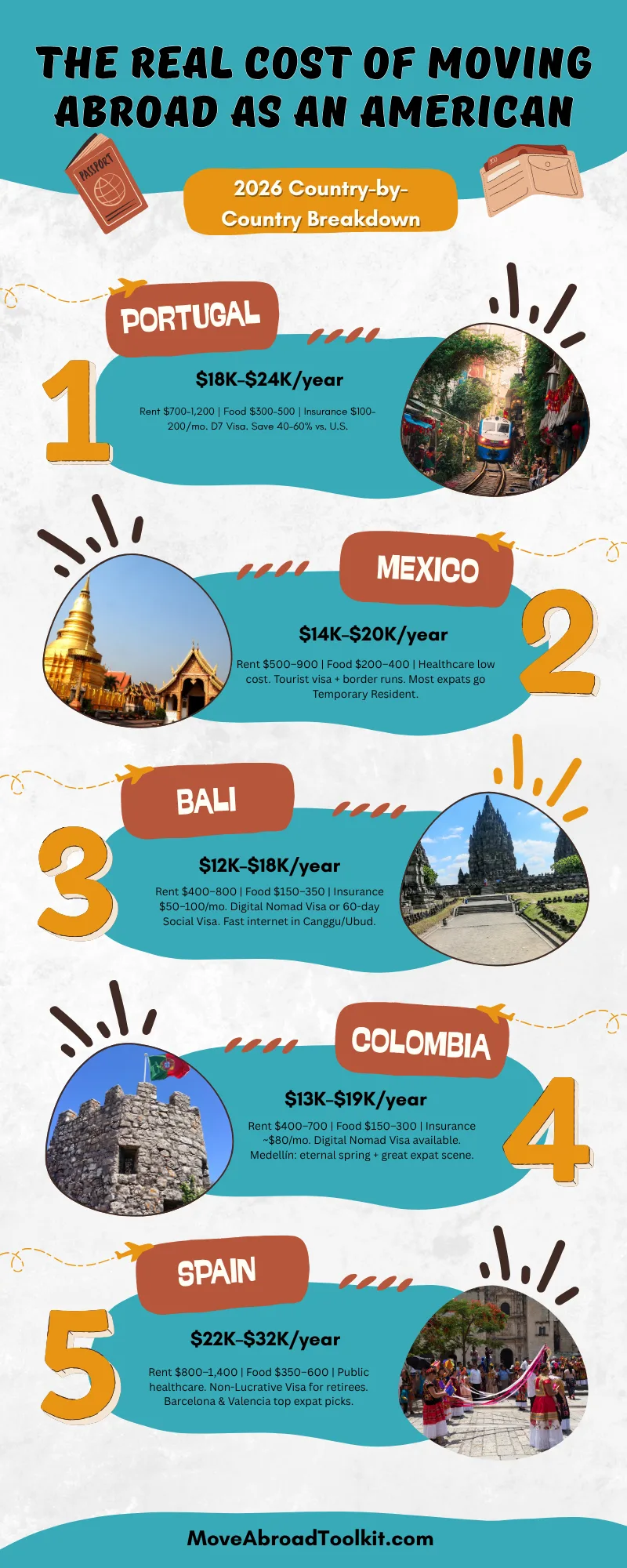
The cost of living in Chiang Mai for Americans runs between $900 and $1,800 per month for a comfortable digital nomad lifestyle, depending on your neighborhood and how often you eat out. That is roughly 55 to 75 percent less than comparable cities in the US. Kim has spent significant time in Thailand and tracks the expat scene closely, and Chiang Mai remains the highest-value digital nomad base in Asia for Americans who want fast internet, world-class food, and a thriving remote-work community. This guide breaks down the real cost of living in Chiang Mai for Americans so you can plan your move with confidence.
Why trust this guide? When I write about cost of living abroad, I’m writing from the perspective of someone who actually liquidated my US life – I sold my house, my car (to CarMax), and my belongings on Facebook Marketplace and at garage sales to fund my move. Real numbers matter to me.
The Real Cost Breakdown: Rent, Food, Transport, Utilities, Healthcare
Here are the actual numbers Americans are reporting in Chiang Mai in 2026.
- Rent: $400 to $700/month (Modern condo in Nimman or Santitham area, fully furnished)
- Food: $150 to $300/month (Eating out most meals at local Thai spots and Western restaurants)
- Transport: $60 to $90/month (Scooter rental; Grab rides across the city cost $2 to $5)
- Utilities and Internet: $40 to $90/month (Electricity, water; fiber internet $20 to $30/month)
- Healthcare: GP visits from $15 to $30; private hospital at a fraction of US costs
What Your Dollar Actually Gets You in Chiang Mai
The Thai baht exchange rate gives Americans exceptional purchasing power. As of 2026, one US dollar buys approximately 33 to 36 baht. A $1,500 monthly budget translates to roughly 49,000 to 54,000 baht.
That means a modern furnished condo with a pool and gym in Nimman, eating out 3 meals per day, coworking membership, scooter rental, health insurance, and $200 to $400 left over for weekend trips.
Minimal budget. If you rent a basic studio in Santitham, eat Thai food exclusively, and skip coworking spaces, you can live on $700 to $900 per month. Many long-term nomads target this range.
Comfortable nomad budget. A Nimman condo with pool, 3 meals out per day, a coworking space, gym membership, and occasional weekend trips will run $1,200 to $1,700 per month. This is the sweet spot for most remote workers.
Premium lifestyle. A luxury condo in central Nimman, daily Western restaurant meals, premium coworking, regular travel, and fitness classes push the budget to $1,900 to $3,000 per month. Even at that level, the cost of living in Chiang Mai for Americans still lands well below most US cities.
Best Neighborhoods for Digital Nomads

Your neighborhood choice shapes your social experience and budget significantly.
Nimman is the undisputed nomad hub. It has the highest concentration of coworking spaces, specialty coffee shops, and international restaurants. Rent is highest here but still reasonable. The walkable streets, Maya Mall, and One Nimman complex anchor daily life for most nomads.
Old City sits inside the historic moat. It offers a more traditional Thai experience with temples on every corner. Rent runs 20 to 30 percent less than Nimman. Many longer-term expats prefer the Old City for its authentic feel and slightly slower pace.
Santitham is the budget-friendly nomad zone. It sits just north of the Old City. Rent is the cheapest of the 3 core areas. It has a growing food scene and is quieter than Nimman.
Read our full guide on moving to Thailand and our Thailand Digital Nomad Visa guide to understand visa options.
Hidden Costs Americans Don’t Expect
These expenses catch many first-time arrivals off guard.
Burning season air quality. From February through April, agricultural burning creates serious air pollution in Chiang Mai. Many nomads leave the city for those 2 to 3 months. Budget $500 to $1,500 for flights and accommodation in Bali, Da Nang, or Kuala Lumpur during the worst weeks.
Visa runs and extensions. The tourist visa allows 60 days with a 30-day extension for $55. If you stay longer without a DTV or Education visa, you need to leave and re-enter. Budget $150 to $400 for visa runs if you are staying long-term without proper status.
Wire transfer and banking fees. Thai banks can be difficult for foreigners to open accounts with on tourist visas. Many nomads use Wise to move money between US and baht at mid-market rates. Without Wise, you lose 2 to 4 percent on each transfer.
Condo deposits and setup. Most long-term condo rentals require a 2-month deposit plus first month’s rent upfront. Budget $800 to $2,000 for move-in costs. Using Airbnb Monthly for your first 30 days is a common bridge strategy.
Coworking and SIM card costs. Serious nomads budget $80 to $180 per month for coworking. A Thai SIM with unlimited data runs $15 to $25 per month. These add up but pay off in productivity.
The Real Long-Term Savings You Can Expect
The full cost of living in Chiang Mai for Americans is often a fraction of their US baseline over multiple years.
Over 3 years, the average remote worker in Chiang Mai saves between $55,000 and $85,000 versus a similar life in Austin, Portland, or Denver. That includes rent, food, transport, private healthcare, and coworking. Many nomads use those savings to build an emergency fund, invest in index funds, or fund geographic arbitrage for a longer stay.
The cost of living in Chiang Mai for Americans also stays remarkably stable year over year. Thai inflation has run 2 to 4 percent, and the baht has been relatively stable. Rent in dollar terms has moved less than 8 percent in Nimman over the last 3 years.
Stack the FX savings, the tax benefits from the Foreign Earned Income Exclusion, the healthcare savings, and the rent savings together. For a remote worker earning $80,000 to $120,000 per year, the real uplift from the cost of living in Chiang Mai for Americans often lands between $35,000 and $55,000 per year in take-home. That is life-changing at that income level.
Is Chiang Mai Still Worth It for Digital Nomads in 2026?
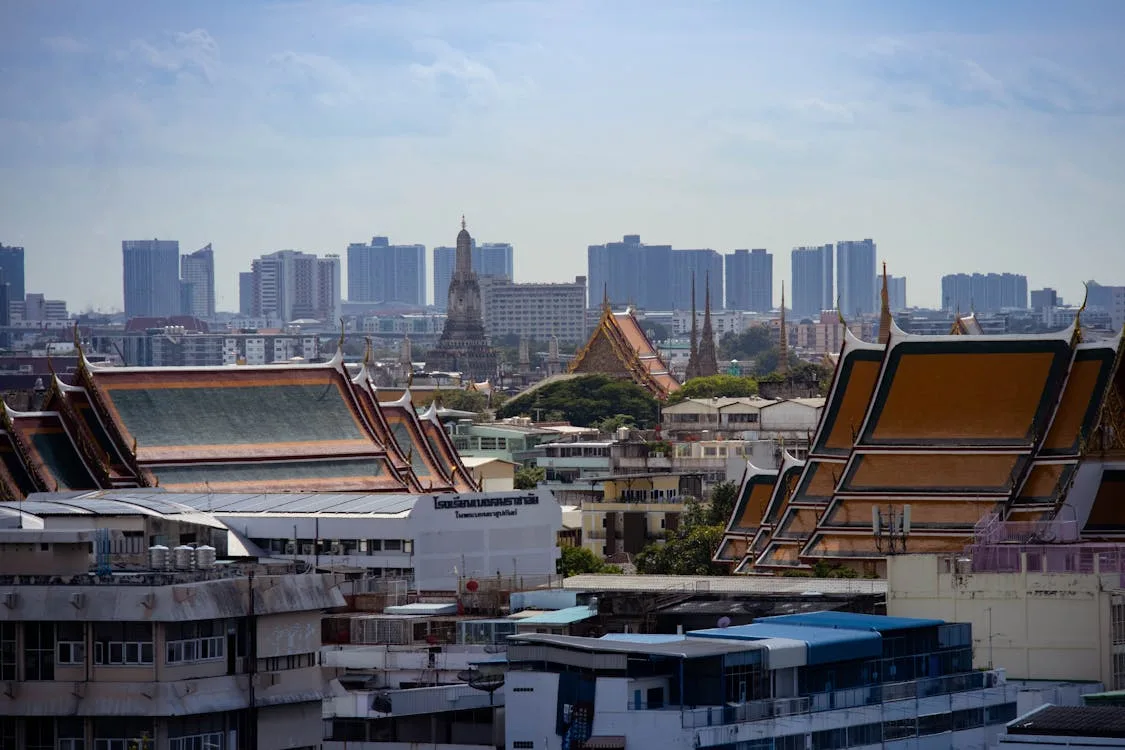
When you look at the full cost of living in Chiang Mai for Americans, the city remains one of the best value-for-money nomad bases on the planet.
The community has matured significantly. Nimman has dozens of coworking spaces, specialty coffee shops, and long-running meetups for founders, writers, and designers. Internet speeds are fast and reliable across the city, with most condos offering 200 to 500 Mbps fiber as standard.
The trade-offs are real. Burning season is rough. The new DTV (Destination Thailand Visa) launched in 2024 made legal long-term stays easier than ever, but many nomads still operate on tourist visas. The scene is crowded compared to 5 years ago, which means Nimman feels less local and more internationalized.
For current expat crowdsourced data, you can cross-reference the figures on Numbeo’s Chiang Mai cost of living database, which is updated by local residents.
Visit our resources page for tools and services that make living abroad financially smooth.
Essential Expat Tools
These are the tools I personally use and recommend for anyone making the move abroad:
- Wise – Send and receive money internationally with real exchange rates. I use Wise for paying rent and converting USD. Get Wise here.
- SafetyWing – Affordable travel medical insurance for nomads and expats, month-to-month. Get SafetyWing here.
- NordVPN – Essential for US streaming access, secure banking on public WiFi, and data protection abroad. Get NordVPN here.
- Taxes for Expats – CPA-prepared US tax returns for Americans living abroad. Avoid costly mistakes with an expert who knows expat tax rules. File with Taxes for Expats.
- MATK Toolkit – My free resource hub: checklists, visa guides, cost comparisons for Americans moving abroad. Get the free Toolkit.
How to Fund Your Move to Chiang Mai
Most cost-of-living guides skip the part where you actually fund the move. Liquidating a US life takes 6 to 12 months: selling your car, ending the lease, paying off the credit cards, building 3 to 6 months of runway in cash. The key is calculating exactly how long your current savings will last at Chiang Mai prices before you commit to a move date. If your remote income is not fully established yet, the practical path is identifying the exact services and platforms that work for nomads and building that income before you leave, not after.
Knowing your Chiang Mai monthly number is the first step. To factor in your full financial runway, one-time relocation costs, and the savings buffer you need before departure, the 5-component cost breakdown covers the complete picture.
Frequently Asked Questions
How much money do you need to live comfortably in Chiang Mai?
Based on the real cost of living in Chiang Mai for Americans, most nomads find $1,200 to $1,700 per month covers a comfortable life in Nimman, including rent, food, coworking, transport, health insurance, and entertainment.
Is $1,000 a month enough to live in Chiang Mai?
Yes. Living in Santitham or the Old City, eating Thai food, skipping coworking, and riding a scooter makes $1,000 genuinely workable for a solo nomad with some budget discipline.
Is Chiang Mai safe for Americans?
Chiang Mai is one of the safest cities in Southeast Asia for expats and nomads. Violent crime is rare. The main risks are scooter accidents and the occasional scam. Most Americans report feeling very safe day and night.
Can Americans work remotely from Chiang Mai legally?
Yes. Thailand launched the Destination Thailand Visa in 2024, which allows remote workers to stay up to 5 years with multiple entries. The income requirement is modest and the application is processed in weeks. Read our full Thailand Digital Nomad Visa guide for current details.
Ready to Make Your Move to Chiang Mai?
The cost of living in Chiang Mai for Americans makes it one of the most compelling destinations for American remote workers who want genuinely low costs, a deep nomad community, and a high quality of life in a walkable city. The food, the people, and the affordability remain world-class.
Your first step is getting clear on your visa path, your neighborhood, and your budget. Start with our Start Here guide for a step-by-step overview of the relocation process. Then check out our resources page for the tools that make living abroad financially smooth, including Wise for currency transfers and SafetyWing for health coverage.

📌 Save this guide for later! Pin it to your travel or move abroad board so you can find it when you need it.
Click the image above to save directly to Pinterest.
📌 Save this guide for later! Pin it to your Move Abroad board so you can find it when you’re ready to plan.
Thinking about moving abroad? Grab the Move Abroad Toolkit for personalized guidance on your relocation.
Thinking about moving abroad? Book a Move Abroad Planning Call for personalized guidance on your relocation.
Continue Planning Your Move
Everything you need is in one place.
Free Download
Remote Income Starter Kit
30 curated remote job boards, an application tracker & freelance rate calculator. Fund your move before you leave.