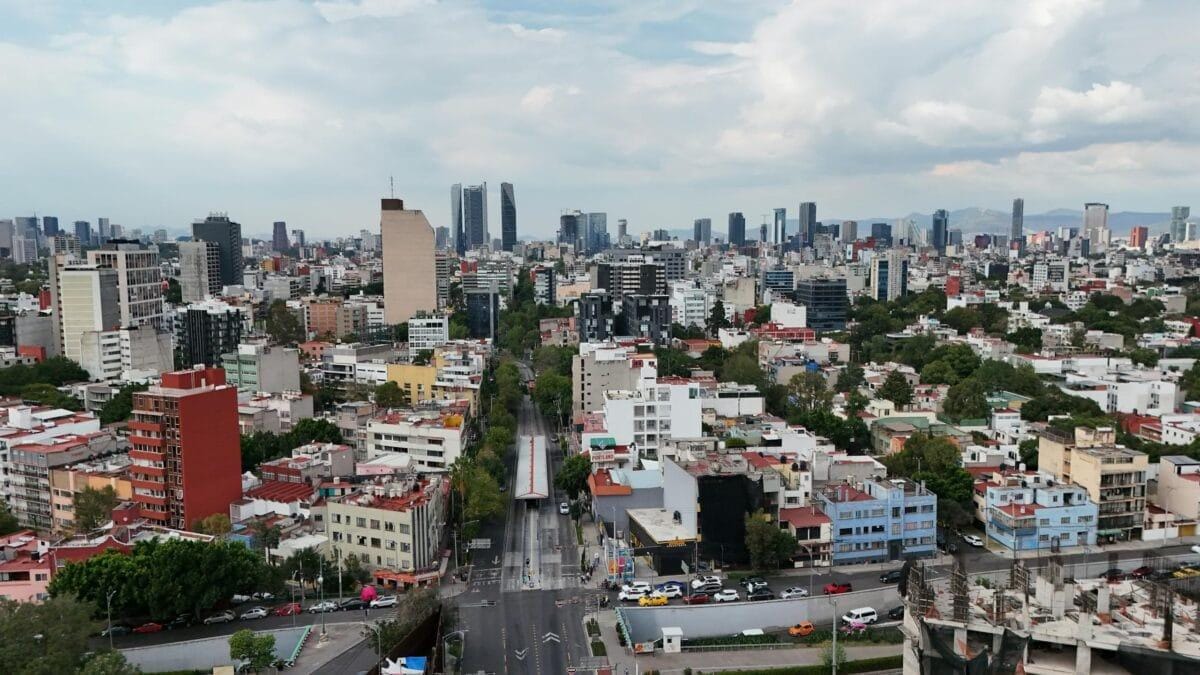
Digital Nomad Visa Mexico: 7 Essential Things Americans Need to Know (2026)
This post contains affiliate links. If you click through and make a purchase, I may earn a small commission at no extra cost to you. I only recommend products and services I personally use and trust.
Mexico is one of the best countries for remote workers interested in a digital nomad visa Mexico option right now. Fast internet, low cost of living, and proximity to the US make it an obvious choice for anyone considering a digital nomad visa Mexico option. But the “digital nomad visa Mexico” question confuses a lot of Americans.
Here’s the truth: Mexico doesn’t have a formal digital nomad visa program the way Portugal or Costa Rica do. What it does have is a Temporary Resident Visa that functions exactly the same way , and it’s easier to get than most people think.
Not sure if Mexico is the right fit for your situation? Start here for a full roadmap, or compare Mexico with 30+ countries using the comparison tool.
📋 WHAT’S IN THIS GUIDE
- What Is the “Digital Nomad Visa” in Mexico, Really?
- The 5 Requirements for a Mexico Temporary Resident Visa
- How to Apply for the Digital Nomad Visa Mexico Step-by-Step
- Best Cities for Digital Nomads in Mexico
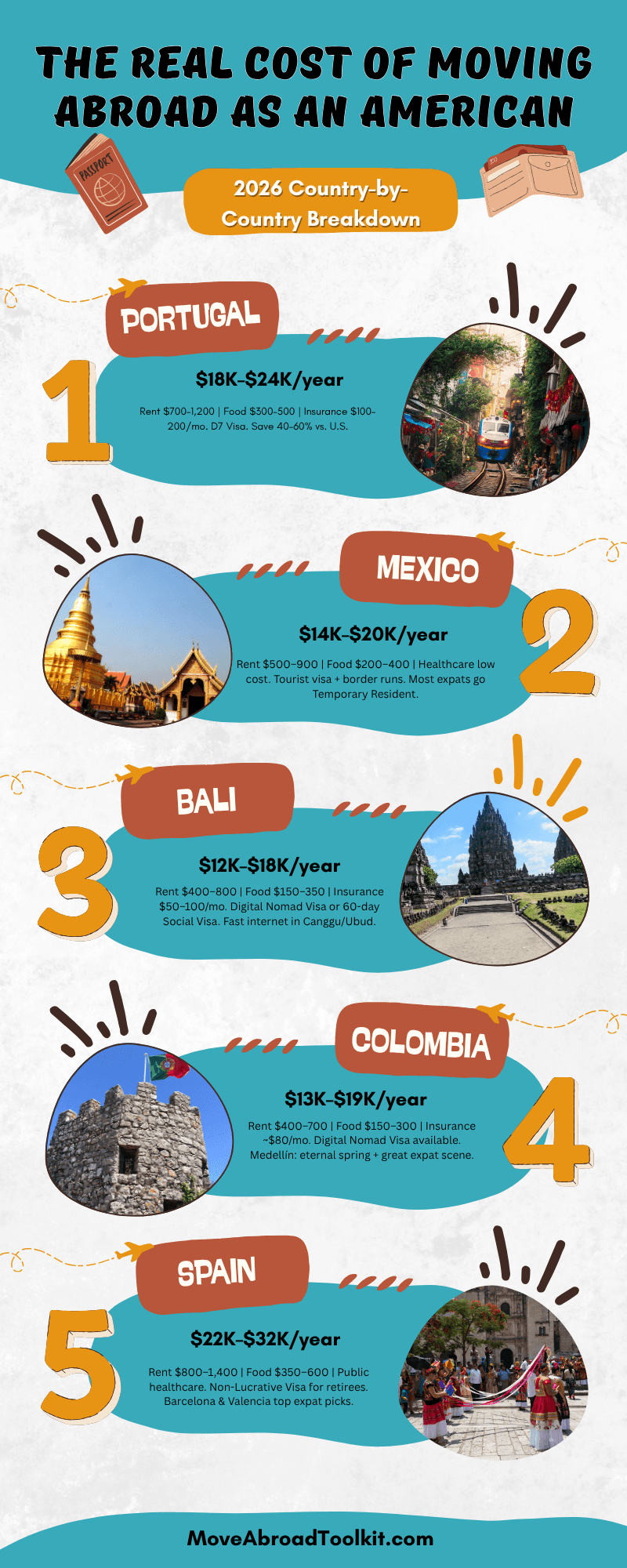
- Cost of Living in Mexico for Digital Nomad Visa Holders
- Healthcare and Insurance for Digital Nomads in Mexico
- Internet and Remote Work Setup in Mexico
- Moving to Mexico: Your 30/60/90-Day Timeline
1. What Is the “Digital Nomad Visa” in Mexico, Really?
For official information on the digital nomad visa Mexico process, the Instituto Nacional de Migración (INM) is the official immigration authority. You can also check requirements at the nearest Mexican Consulate in the US before your appointment. The U.S. State Department’s Mexico travel page also has useful current information for Americans.
The digital nomad visa Mexico actually uses is called the Temporary Resident Visa, not a formal “digital nomad visa” by name. What Americans actually use for long-term remote work in Mexico is the Temporary Resident Visa (Visa de Residente Temporal).
This visa lets you live in Mexico legally for 1–4 years. You can renew it, and after four years, you can apply for permanent residency. It does not give you permission to work for a Mexican employer , but remote work for a foreign employer is generally accepted.
- Visa type: Temporary Resident Visa (Residente Temporal)
- Duration: 1 year initially, renewable up to 4 years total
- Work authorization: Remote work for non-Mexican employers is widely accepted
- Income requirement: ~$2,600/month average (varies by consulate)
- Application location: Mexican consulate in the US (before you travel)
Some remote workers also stay on a Tourist Visa (FMM), which allows 180 days per stay. But if you plan to stay longer term, the Temporary Resident Visa is the right path.

📌 Save this guide for later! Pin it to your travel or move abroad board so you can find it when you need it.
Click the image above to save directly to Pinterest.
📌 Save this guide for later! Pin it to your travel or move abroad board so you can find it when you need it.
Hover over any image in this post to pin it directly to Pinterest.
2. The 5 Requirements for a Mexico Temporary Resident Visa
Every Mexican consulate has slightly different standards, but these five requirements apply almost universally.
Requirement 1: Proof of Income
Mexico requires proof that you can support yourself financially. The threshold varies by consulate, but most require:
- Monthly income: Approximately $2,600 USD/month (or ~$31,200/year)
- Bank balance: Some consulates accept proof of savings , typically $43,000+ in a bank account
- Documentation: 3–6 months of bank statements, pay stubs, or a letter from your employer
If you’re a freelancer or business owner, provide profit/loss statements or client contracts showing consistent income. Wise is a great tool for showing foreign income , you can open a Wise account to receive income from multiple currencies and show clean monthly deposits.
Requirement 2: Valid US Passport
Your passport must be valid for the full duration of your intended stay. Bring the original plus a color copy of the photo page.
Requirement 3: Completed Visa Application Form
Download the official form from the Mexican consulate website nearest you. Fill it out completely in Spanish or English , most consulates accept either language.
Requirement 4: Passport-Sized Photos
Bring two passport-sized photos meeting Mexican specifications. The background must be white, and your face must be clearly visible without glasses.
Requirement 5: Consulate Appointment and Fee
Schedule an appointment at your nearest Mexican consulate or embassy. The fee is typically $40–$50 USD, paid at the time of the appointment. Processing takes 3–10 business days after your appointment.
3. How to Apply for the Digital Nomad Visa Mexico Step-by-Step
The application process happens in two stages: first at the consulate in the US, then at the immigration office in Mexico after you arrive.
Stage 1: Apply at the Mexican Consulate
- Find your nearest consulate. Mexico has consulates in most major US cities including New York, Los Angeles, Chicago, Houston, and Miami. Visit the official IME website to locate yours.
- Schedule an appointment. Most consulates require an appointment , same-day walk-ins are rarely accepted.
- Gather your documents:
- Completed visa application form
- Valid US passport + color copy
- 2 passport photos
- 3–6 months of bank statements
- Proof of income (pay stubs, employment letter, or freelance contracts)
- Visa fee ($40–$50)
- Attend your appointment. The consulate officer will review your documents and may ask a few questions about your plans in Mexico.
- Receive your visa sticker. If approved, you’ll get a visa sticker in your passport within 3–10 business days. This is your entry authorization only , not the residence card itself.
Stage 2: Register at Mexico’s INM Office
Once you enter Mexico with your visa sticker, you have 30 days to register at the nearest INM (Instituto Nacional de Migración) office. This is where you get your physical residence card (tarjeta de residente).
- Visit the nearest INM office in your destination city.
- Bring your passport with the visa sticker, plus additional documentation.
- Pay the INM fee (approximately $300–$400 MXN).
- Get fingerprinted and photographed.
- Receive your residence card within a few weeks.
The INM process can be slow and bureaucratic. Many expats hire a local immigration attorney to handle it , fees typically run $200–$400 USD and are usually worth it.
4. Best Cities for Digital Nomads in Mexico
Where you live in Mexico matters as much as the visa. Here are the top choices for remote workers in 2026.
Mexico City (CDMX)
- Monthly budget: $1,500–$2,500
- Rent (1BR in good area): $600–$1,200
- Internet: Reliable fiber in most neighborhoods, 100+ Mbps common
- Best neighborhoods: Roma Norte, Condesa, Polanco, Coyoacán
- Vibe: Urban, cultural, world-class food scene
Playa del Carmen / Tulum
- Monthly budget: $1,800–$3,000
- Rent (1BR): $700–$1,500
- Internet: Good in Playa, spotty in Tulum jungle properties
- Best areas: Playa Centro, Playa 38th Street corridor
- Vibe: Beach-focused, party scene, growing nomad community
Oaxaca City
- Monthly budget: $1,000–$1,800
- Rent (1BR): $400–$700
- Internet: Adequate in central areas
- Best neighborhoods: Centro Histórico, Jalatlaco
- Vibe: Cultural, slower pace, incredible food and art scene
Guadalajara
- Monthly budget: $1,200–$2,000
- Rent (1BR): $500–$900
- Internet: Excellent in most districts
- Best neighborhoods: Chapultepec, Providencia, Tlaquepaque
- Vibe: Business-focused, less touristic, strong tech scene
5. Cost of Living in Mexico for Digital Nomad Visa Holders
Mexico offers strong value for Americans. Your US dollar goes far , especially outside the tourist zones.
| Expense | Budget | Mid-Range | Comfortable |
|---|---|---|---|
| Rent (1BR apartment) | $350–$500 | $600–$900 | $1,000–$1,500 |
| Food (eating out regularly) | $150–$250 | $300–$500 | $500–$800 |
| Transportation | $30–$60 | $80–$150 | $150–$300 |
| Health insurance | $50–$100 | $100–$200 | $200–$400 |
| Entertainment / activities | $100–$200 | $200–$400 | $400–$700 |
| Total monthly | $680–$1,110 | $1,280–$2,150 | $2,250–$3,700 |
6. Healthcare and Insurance for Digital Nomads in Mexico
Mexico has both public and private healthcare. As a foreign resident, you’ll primarily use private hospitals , which are excellent and affordable compared to US prices.
A doctor’s visit at a private clinic costs $30–$60. Major procedures are 60–80% cheaper than in the US. Many expats choose international health insurance to cover them both in Mexico and during US visits.
SafetyWing is the most popular option among digital nomads for Mexico. Their Nomad Insurance covers medical emergencies, evacuation, and even some home country coverage. Get a SafetyWing quote , most nomads pay $40–$80/month depending on age.
7. Internet and Remote Work Setup in Mexico
Mexico City and Guadalajara have excellent fiber internet infrastructure. Most modern apartments in major cities come with reliable 100+ Mbps connections. Coworking spaces like WeWork, Selina, and local independent spaces are available in every major city.
One thing remote workers often overlook: streaming services and some work tools geo-restrict content. A VPN like NordVPN keeps your connection secure on public WiFi and lets you access US services from Mexico without interruption.
Planning to base yourself in Mexico City as a digital nomad? See our complete guide to the cost of living in Mexico City , covering rent by neighborhood, coworking costs, internet speeds, and what your dollar actually buys you.
Some links below are affiliate links. We may earn a small commission if you purchase through them at no extra cost to you. All product recommendations are based on personal research and would be made regardless of compensation.
Moving to Mexico: Your 30/60/90-Day Timeline
90 Days Before Your Move
- Research which Mexican city matches your lifestyle and budget
- Schedule your consulate appointment for the Temporary Resident Visa
- Gather bank statements (3–6 months) and income documentation
- Research health insurance options , compare SafetyWing vs. local Mexican providers
- Begin researching neighborhoods and short-term rentals for your first month
60 Days Before Your Move
- Attend your consulate appointment and submit visa documents
- Book your flights and first month of housing
- Open a Wise account to manage money across currencies without high fees
- Research Mexican phone SIMs (Telcel and AT&T Mexico are most reliable)
- Get travel health insurance for the gap before your resident card arrives
30 Days Before Your Move
- Receive your visa sticker and book your entry date
- Notify your US bank of your move to avoid fraud blocks
- Find the nearest INM office in your destination city
- Download offline maps, translation apps, and essential Mexico apps
- Connect with expat Facebook groups and Nomad List for your city
Can Americans work remotely in Mexico without a visa?
Americans can enter Mexico as tourists for up to 180 days without a visa. Many remote workers do this legally , working for a non-Mexican employer on a tourist entry is generally accepted. However, if you plan to stay longer than 180 days or want a formal legal status, the Temporary Resident Visa is the right path.
How much income do I need to qualify for the Mexico Temporary Resident Visa?
Most Mexican consulates require proof of approximately $2,600/month in income, or around $43,000 in savings. Requirements vary by consulate , Los Angeles and New York tend to have higher thresholds than smaller consulates. Always check directly with your nearest consulate before applying.
How long does the Mexico Temporary Resident Visa last?
The visa is initially issued for one year. You can renew it annually for up to four years total. After four continuous years of legal residency, you become eligible to apply for permanent residency (Residente Permanente).
Do I need to pay Mexican taxes if I’m working remotely in Mexico?
Tax rules are complex. As a US citizen, you’re required to file US taxes regardless of where you live. Mexico may also consider you a tax resident if you spend 183+ days there in a calendar year. Consult a tax professional who specializes in expat taxes before you move. FEIE (Foreign Earned Income Exclusion) may reduce your US tax bill significantly.
Can I bring my family to Mexico on a Temporary Resident Visa?
Yes. Spouses and dependent children can be included on your visa application as accompanying family members. Additional documentation (marriage certificate, birth certificates) will be required for each family member.
What’s the difference between a tourist stay and a Temporary Resident Visa?
A tourist stay (FMM) allows up to 180 days per entry with no formal visa application required. The Temporary Resident Visa allows you to stay 1–4 years, provides a Mexican ID card, allows you to open a Mexican bank account, and eventually leads to permanent residency. The trade-off is the upfront application process and income requirements. Ready to take the next step? Browse our full resources list for visa checklists, budget templates, and expat guides for Mexico and 30+ other countries. Or grab the full Starter Toolkit at moveabroadtoolkit.com/toolkit.html to get all the tools in one place.
I funded my own move abroad by selling my house, my car (to CarMax), and my belongings on Facebook Marketplace and at garage sales. That firsthand experience shapes how I write about moving abroad , I am not just summarizing data, I am telling you what the numbers actually mean for someone making a real move.
Currency exchange fees eat into every international transfer. Use Wise instead of your bank for real exchange rates and low fees. Most expats save $50 to $100 per month on transfers alone.
For health coverage while abroad, SafetyWing Nomad Insurance starts at $45.08 per month for Americans under 40. It covers you in most countries and is built for long-term travelers and expats.
If you need a VPN for US streaming or public wifi security, NordVPN works well from abroad.
US tax filing does not stop when you move abroad. You still owe US taxes on worldwide income. Taxes for Expats specializes in expat tax returns and can save you from expensive mistakes.
Thinking about moving abroad? Book a Move Abroad Planning Call for personalized guidance on your relocation.
Continue Planning Your Move
Everything you need is in one place.
Free Download
Remote Income Starter Kit
30 curated remote job boards, an application tracker & freelance rate calculator. Fund your move before you leave.